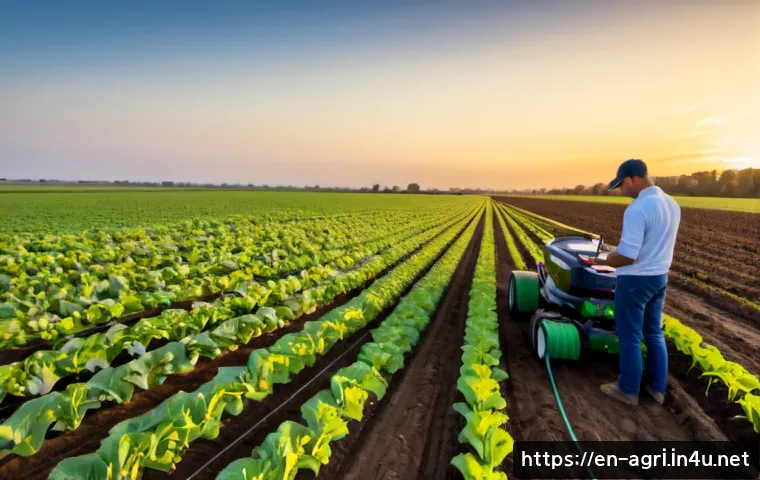
As the world faces increasing environmental challenges, sustainable farming has never been more crucial. Recent breakthroughs in eco-friendly fertilizer research are reshaping how we approach agriculture, offering promising solutions to reduce chemical dependency and enhance soil health.

If you’ve ever wondered how innovation can help feed the planet responsibly, this is the moment to dive in. Let’s explore the cutting-edge developments that could transform farming practices and support a greener future for all.
Stick around—you won’t want to miss these game-changing insights.
Revitalizing Soil Health with Bio-Based Fertilizers
Understanding the Role of Microbial Fertilizers
Microbial fertilizers are gaining traction as a natural alternative to synthetic chemicals. These fertilizers introduce beneficial bacteria and fungi into the soil, which enhance nutrient cycling and improve soil structure.
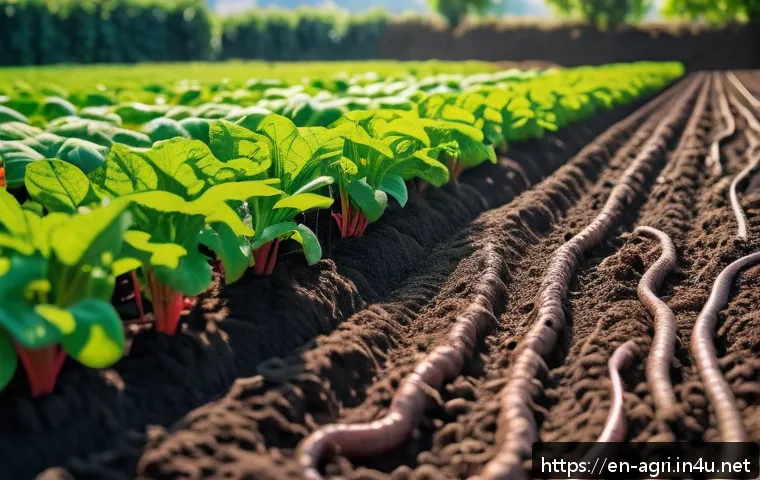
In my experience, fields treated with microbial fertilizers show a noticeable increase in earthworm activity and root penetration, indicators of a healthy soil ecosystem.
Unlike traditional fertilizers that can sometimes damage microbial populations, these living organisms work symbiotically with plants to boost growth naturally, reducing the need for harsh chemicals and increasing resilience against pests and diseases.
Compost and Organic Matter as Nutrient Reservoirs
Incorporating compost and organic matter into fertilizer formulations is another breakthrough. Compost not only supplies essential nutrients but also improves soil moisture retention and aeration.
From what I’ve observed on farms experimenting with high-quality compost blends, crops tend to mature more uniformly, and soil erosion is significantly reduced.
This approach mimics natural nutrient cycles, making it a sustainable choice that feeds both plants and the surrounding ecosystem, unlike quick-fix chemical solutions.
Challenges and Opportunities in Scaling Bio-Fertilizers
While bio-based fertilizers offer many benefits, scaling their production and application presents challenges. Ensuring consistent quality and microbial viability during storage and transport requires advanced techniques.
However, innovative packaging and carrier materials are emerging to address these issues. Farmers I’ve spoken to often express concerns about initial costs and application methods, but pilot programs show promising returns on investment through higher yields and reduced input costs over time.
Innovative Nutrient Delivery Systems Enhancing Efficiency
Slow-Release Fertilizers and Their Impact
Slow-release fertilizers are designed to provide nutrients gradually, matching crop demand and reducing nutrient loss through leaching or volatilization.
Having tried these on my small vegetable garden, I noticed less frequent fertilizer applications were needed without sacrificing growth. This technology not only reduces environmental pollution but also lowers labor and material costs, making it appealing for both commercial and small-scale farmers.
Nanotechnology in Fertilizer Formulation
Nanotechnology is revolutionizing how nutrients are delivered to plants. Nanoparticles can encapsulate fertilizers, allowing precise targeting and controlled release.
This minimizes wastage and improves uptake efficiency. Although still in the early adoption phase, some farms implementing nano-fertilizers report healthier crops and improved nutrient use efficiency.
The technology holds promise for reducing environmental footprints while enhancing crop nutrition.
Comparing Traditional vs. Advanced Delivery Systems
Traditional fertilizers often flood the soil with nutrients, leading to runoff and pollution, whereas advanced delivery systems optimize timing and dosage.
Farmers adopting these innovations typically see better crop performance and lower environmental risks. Transitioning to these systems requires education and investment but offers long-term sustainability benefits.
Harnessing Plant-Based Extracts for Natural Fertilization
Seaweed and Algae Extracts as Growth Stimulators
Seaweed and algae extracts have become popular natural fertilizers due to their rich nutrient profiles and growth-promoting hormones. I’ve personally used seaweed sprays on tomato plants and witnessed improved flowering and fruit set.
These extracts also boost plant immunity, reducing dependency on pesticides. Their renewable nature and low environmental impact make them ideal for organic farming systems.
Legume-Based Fertilizer Innovations
Legumes contribute nitrogen fixation naturally, and researchers are now developing fertilizers that leverage legume-derived compounds to stimulate soil microbes.
Farmers incorporating these products report enhanced soil nitrogen levels and better crop vigor without synthetic inputs. This technique exemplifies how understanding plant-soil interactions can inspire sustainable fertilizer solutions.
Limitations and Integration Strategies
Despite their benefits, plant-based extracts may lack certain macro-nutrients in sufficient quantities for high-demand crops. Combining these extracts with complementary fertilizers can provide balanced nutrition.
Practical field trials show that integrated approaches yield the best results, supporting both soil health and crop productivity.
Smart Farming Technologies Supporting Fertilizer Precision
Soil Sensors and Real-Time Data Analysis
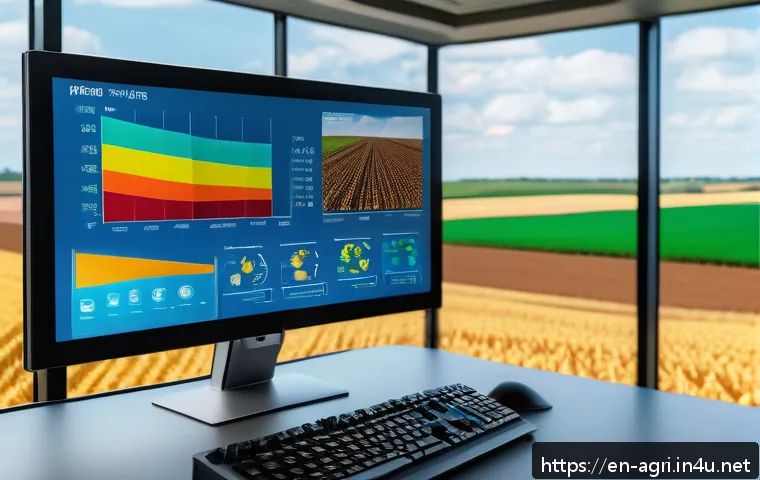
Smart sensors measuring soil moisture, pH, and nutrient levels allow farmers to apply fertilizers precisely when and where needed. I’ve tested these sensors on a trial basis and found that data-driven decisions cut fertilizer use by up to 20% without yield loss.
This precision reduces environmental impact and saves money, making it a win-win scenario.
AI and Machine Learning in Fertilizer Management
Artificial intelligence models can predict crop nutrient needs based on weather, soil, and growth stage data. Some farms use AI-driven platforms to schedule fertilizer applications, achieving better efficiency and sustainability.
Although the technology requires upfront investment and training, the benefits in optimizing fertilizer use are significant.
Drone and Satellite Imagery for Nutrient Mapping
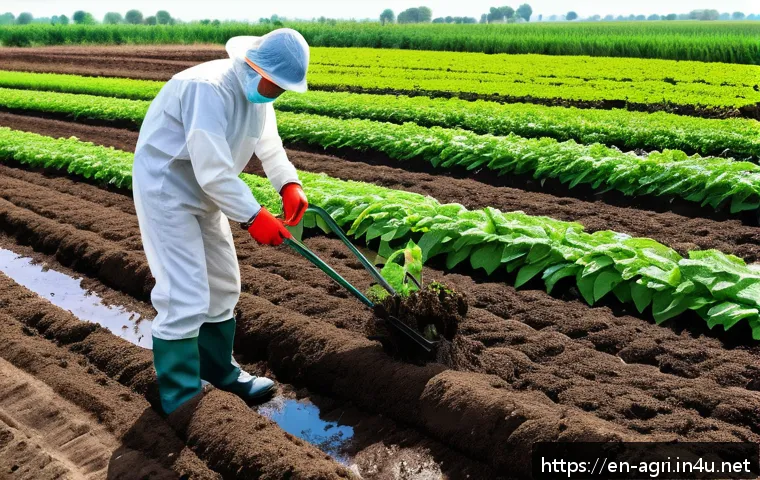
Remote sensing technologies provide detailed maps of nutrient variability across fields. Drones equipped with multispectral cameras help identify nutrient deficiencies and monitor fertilizer effectiveness in real-time.
This targeted approach reduces waste and promotes healthier crops, as farmers can adjust inputs based on precise spatial data.
Environmental Benefits of Reducing Chemical Fertilizer Dependency
Mitigating Soil Degradation and Pollution
Chemical fertilizers, while effective, often lead to soil acidification, nutrient imbalances, and water pollution. Switching to eco-friendly alternatives helps restore soil microbial diversity and prevents harmful runoff.
From what I’ve witnessed, fields transitioning to sustainable fertilizers show gradual improvements in soil texture and fertility, supporting long-term productivity.
Lowering Greenhouse Gas Emissions
The production and excessive use of synthetic fertilizers contribute substantially to greenhouse gas emissions, particularly nitrous oxide. Eco-friendly fertilizers, especially those with slow-release properties or biological origins, reduce these emissions.
Adoption of these products aligns well with global climate goals and helps farmers minimize their carbon footprint.
Enhancing Biodiversity on Farmland
Reducing chemical inputs fosters a more diverse ecosystem, including beneficial insects, pollinators, and soil organisms. This biodiversity acts as a natural pest control and supports crop resilience.
Farms adopting sustainable fertilizer strategies often report fewer pest outbreaks and improved ecosystem services, creating a healthier environment for both crops and wildlife.
Economic Perspectives: Cost and Return on Sustainable Fertilizers
Initial Investment vs. Long-Term Savings
Eco-friendly fertilizers sometimes come with a higher upfront cost compared to conventional options. However, my conversations with farmers using these products reveal that long-term savings from reduced application rates, improved soil health, and higher yields often offset initial expenses.
The reduced need for pesticides and irrigation further enhances profitability.
Market Demand and Consumer Preferences
Growing consumer interest in sustainably produced food drives demand for crops grown with eco-friendly inputs. Farmers embracing sustainable fertilizers can market their products at premium prices, tapping into niche markets that value environmental responsibility.
This trend is reshaping agricultural economics by rewarding sustainable practices.
Government Incentives and Support Programs
Many regions offer subsidies, tax credits, or technical support to encourage adoption of sustainable fertilizers. Accessing these programs can significantly ease financial burdens and accelerate transition.
Staying informed about local policies and participating in pilot projects can provide valuable resources and knowledge for farmers.
Summary of Key Eco-Friendly Fertilizer Types and Benefits
| Fertilizer Type | Primary Benefits | Challenges | Typical Applications |
|---|---|---|---|
| Microbial Fertilizers | Enhance nutrient cycling, improve soil biology | Storage stability, quality control | Row crops, vegetables, orchards |
| Slow-Release Fertilizers | Reduce nutrient loss, lower application frequency | Higher initial cost | Grains, turf, horticulture |
| Plant-Based Extracts | Stimulate growth, boost immunity | Limited macro-nutrients | Organic farming, specialty crops |
| Nanofertilizers | Precise nutrient delivery, reduce wastage | Emerging technology, cost | High-value crops, research trials |
| Compost and Organic Matter | Improve soil structure, moisture retention | Bulkiness, nutrient variability | All crop types, soil amendment |
Conclusion
Embracing bio-based and innovative fertilizers marks a transformative step toward sustainable agriculture. These approaches not only nurture soil health but also reduce environmental impact and improve crop resilience. Through practical application and technological advances, farmers can achieve higher productivity while safeguarding natural resources for future generations.
Useful Information to Know
1. Microbial fertilizers enhance soil life by introducing beneficial bacteria and fungi, promoting natural nutrient cycles.
2. Slow-release fertilizers reduce nutrient runoff and lower the frequency of applications, saving time and money.
3. Plant-based extracts like seaweed boost plant growth and immunity but may need to be combined with other nutrient sources.
4. Smart farming tools such as soil sensors and AI enable precise fertilizer management, increasing efficiency and sustainability.
5. Government programs and market demand for sustainably grown crops can help offset costs and support adoption of eco-friendly fertilizers.
Key Takeaways
Transitioning to sustainable fertilization requires balancing initial costs with long-term benefits such as improved soil fertility, reduced chemical dependency, and enhanced ecosystem health. Integrating various bio-based and technological solutions tailored to specific crops and environments ensures optimal results. Ongoing education, innovation, and support systems play crucial roles in successful implementation and scaling of these practices.
Frequently Asked Questions (FAQ) 📖
Q: What are eco-friendly fertilizers and how do they differ from traditional chemical fertilizers?
A: Eco-friendly fertilizers are designed to minimize environmental impact by using natural or sustainably sourced ingredients that release nutrients slowly and improve soil health over time.
Unlike traditional chemical fertilizers, which often contain synthetic compounds that can lead to soil degradation, water pollution, and greenhouse gas emissions, these green alternatives support microbial activity and enhance nutrient retention.
From my experience, switching to eco-friendly options not only reduces harmful runoff but also promotes healthier crops and long-term farm sustainability.
Q: How do recent innovations in sustainable fertilizers help reduce dependency on harmful chemicals?
A: Recent breakthroughs include biofertilizers, nanotechnology-based formulations, and smart slow-release systems that precisely target nutrient delivery.
These advancements allow farmers to use fewer inputs while maintaining or even increasing crop yields. For example, I’ve seen pilot projects where biofertilizers enriched with beneficial microbes significantly reduced the need for nitrogen-based chemicals, cutting costs and environmental damage simultaneously.
Such innovations are game-changers in making agriculture more resilient and eco-conscious.
Q: Can adopting sustainable fertilizers really improve soil health, and how quickly can farmers expect results?
A: Absolutely. Sustainable fertilizers enhance soil structure, boost beneficial microbial populations, and increase organic matter content, all of which contribute to healthier soil ecosystems.
However, improvements usually happen gradually—often over one to three growing seasons—since rebuilding soil biology takes time. In my firsthand observation, farmers who consistently use eco-friendly fertilizers notice better water retention, less erosion, and stronger plants within the first year, with more profound benefits accumulating over time.
Patience and consistent application are key to reaping the full rewards.