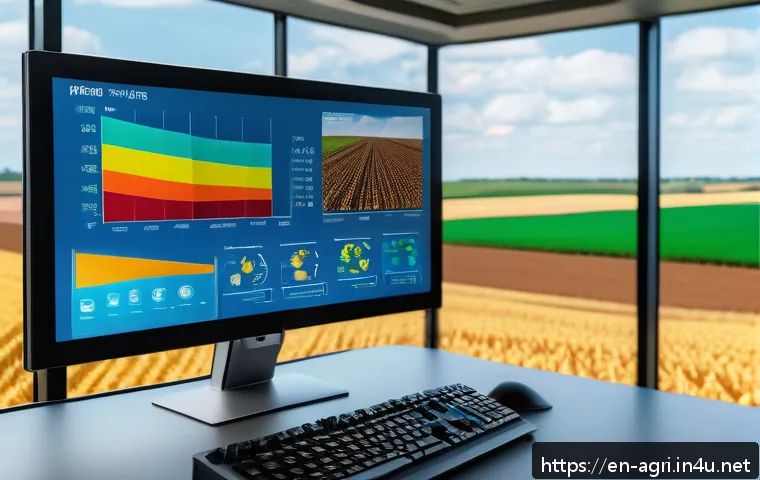
Digital agriculture works best when it improves a specific high-cost decision, such as input timing, irrigation monitoring, field planning, or labor coordination.
The right starting point is rarely the newest device; it is the tool that fits the farm’s workflow, staff capacity, and available connectivity. Farm management software, GPS guidance, sensors, drone services, and connected equipment can each support better planning, but they solve different problems.
Comparing ownership costs, service support, and data compatibility is more useful than comparing feature lists alone. Small operations may gain more from simple records and targeted services, while larger or multi-site farms may need integrated reporting and equipment workflows.
Before requesting quotes, define the decision you want to improve and who will use the information every day.
At a Glance
- Start digital adoption with the farm decision that creates the largest recurring cost, risk, or delay.
- Choose between software, sensors, precision farming equipment, and contracted services based on workflow—not novelty.
- Compare total ownership cost, support, connectivity, and data compatibility before making a commitment.
| Tool Category | Best Fit | Main Decision It Can Support | Key Check Before Choosing |
|---|---|---|---|
| Farm management software | Farms needing better records, planning, and cost visibility | What was done, where, by whom, and at what operating cost | Ease of use, reporting needs, and compatibility with existing records |
| GPS guidance and precision application | Operations with repeated field passes and equipment workflows | How field operations are planned and carried out | Equipment compatibility, setup requirements, and operator training |
| Soil, weather, and irrigation sensors | Farms managing water, weather exposure, or variable field conditions | When to monitor, adjust, or inspect field conditions | Connectivity, maintenance needs, and who reviews alerts |
| Drone services and imagery | Farms that need targeted field visibility without buying equipment | Which areas need scouting or closer inspection | Service coverage, deliverables, local flight rules, and data access |
| Irrigation automation and connected equipment | Labor-constrained or multi-location operations | How recurring tasks are monitored and coordinated | Installation scope, support availability, and failure-response procedures |
The Core Shift: From Experience-Only Decisions to Data-Supported Farm Management
What “digital transformation” means in a working farm operation
Digital transformation in agriculture is not simply buying sensors, drones, or a precision agriculture platform. It means using records, field observations, equipment data, weather information, or connected devices to make a recurring farm decision more consistent. A practical system may be as simple as organized digital recordkeeping. It may also be an integrated setup linking farm management software, GPS guidance, input planning, and reporting.
Why data can support—not replace—farm knowledge and field observation
Data is a decision aid, not a replacement for farm knowledge. A dashboard can highlight an unusual reading or a field area that needs attention, but it does not remove the need to inspect conditions, understand crop history, or consider local operating constraints. Treat alerts, maps, and reports as prompts for better questions. The strongest workflow combines field experience with information that is available at the right time.
Start with a measurable operational problem, not a technology purchase
First, identify the recurring decision that is difficult, costly, or slow.
Second, decide what information would make that decision clearer.
Third, choose the simplest tool or service that can provide that information.
This approach prevents a common mistake: purchasing hardware before defining who will use it, what action it should trigger, and whether the farm can maintain it.
Which Digital Agriculture Tools Deliver Value—and When
Farm management software for records, planning, compliance, and cost tracking
Farm management software can bring field activities, input records, task planning, equipment notes, and cost tracking into one working system. It is often a sensible starting point for farms that rely on scattered paper records, spreadsheets, or memory-based handoffs. The best platform is not necessarily the one with the longest feature list. It is the one that staff can use consistently and that produces reports relevant to the farm’s planning and management needs.
Before comparing subscriptions, ask whether the software supports your current workflow or forces unnecessary changes. Also check whether records can be exported and whether the platform can connect with other systems you may use later.
GPS guidance and precision application for field operations
GPS guidance and precision application tools are most relevant where field passes, equipment coordination, and application planning are major operating concerns. They can support more structured field operations, but their value depends on machinery compatibility, operator confidence, and how often the capability will be used. A feature that remains unused is still an operating cost.
When evaluating precision farming equipment, clarify what is included in installation, calibration, staff training, technical support, and ongoing updates. A useful question is: Will this system fit the equipment and tasks already central to the operation?
Sensors, weather stations, and irrigation monitoring for input decisions
Soil sensors, weather stations, and irrigation monitoring tools can help farms observe conditions that affect water management, field access, and crop monitoring. Their usefulness depends on correct placement, reliable connectivity, regular maintenance, and a clear response process. Receiving a reading is not the same as having a decision system.
For irrigated farms, begin by defining the specific risk to manage: missed checks, delayed response, unclear scheduling, or limited visibility across locations. Then compare sensor systems and irrigation automation options based on installation requirements, alert settings, service support, and data access.
Drones, satellite imagery, and scouting services for targeted field visibility
Drones, satellite imagery, and scouting services can help identify areas that may need closer inspection. They are most useful when they support a defined scouting workflow rather than creating more images than the farm can review. Not every operation needs to own a drone. A contracted drone service or imagery provider may be a better fit where use is occasional or where trained personnel are not available.
Local rules may affect drone flights, data collection, and operational use. Confirm service coverage, data delivery format, and responsibility for interpreting the results before choosing a provider.
Automation and connected equipment for labor-constrained operations
Connected equipment and automation may be relevant when repetitive tasks, delayed monitoring, or limited labor create operational pressure. However, connected systems add dependencies: power, communications, maintenance, support, and a response plan when equipment or alerts fail. Automation should reduce a defined burden, not create a new system that no one owns.
Comparing Costs, Integration Needs, and Expected Operational Value
Upfront hardware, subscriptions, installation, training, and maintenance
A digital agriculture comparison should extend beyond the purchase price or subscription fee. Review the full operating picture: hardware, software subscriptions, installation, connectivity, training, maintenance, replacement needs, technical support, and integration work. Actual pricing varies by country, farm size, crop type, hardware requirements, subscription model, and service coverage, so a meaningful comparison requires written scope details.
Comparing owned equipment, software subscriptions, and contracted services
Ownership can make sense when a tool is needed frequently and the farm has people who can operate and maintain it. A subscription may suit recordkeeping, reporting, or cloud-based planning needs. Contracted services can be practical when use is seasonal, specialized, or difficult to staff internally. For example, a drone service may provide targeted field visibility without requiring the farm to manage aircraft, software, and operator training.
Compare each option against the same question: What ongoing decision or task becomes easier, faster, or more visible? If that answer is vague, delay the purchase.
Questions to ask when reviewing vendor proposals and implementation quotes
Ask what is included at launch and what requires a separate service agreement. Confirm who installs the system, who trains staff, who handles support, and what happens if field connectivity is unreliable. Ask how data can be accessed, exported, and used with other platforms. If a vendor presents an integrated precision agriculture system, request a clear description of which parts work together and which require separate management.
How to evaluate value without assuming guaranteed yield gains
Technology return on investment depends on baseline yields, input costs, labor availability, connectivity, and staff adoption. It should not be assumed from a product category alone. Instead, track whether the chosen tool improves a measurable operational process: faster records, clearer work assignments, more timely field checks, fewer missing data points, or better visibility across sites. Review the result after a defined pilot period before expanding the system.
A Practical Adoption Process That Avoids Expensive Mistakes
Define the decision or task that needs improvement first

Write down one high-priority issue in plain language. Examples include difficulty tracking field activities, delayed irrigation checks, inconsistent equipment records, or limited visibility across multiple locations. Then identify the information, alert, report, or workflow that would improve that issue. This creates a useful buying brief for software providers, sensor vendors, and agricultural technology service providers.
Check connectivity, equipment compatibility, and data ownership terms
Connectivity can determine whether a sensor network, cloud platform, or connected machine works reliably in practice. Check coverage across the actual areas where devices will operate. Also confirm equipment compatibility and ask how farm data is stored, accessed, exported, and retained. Data ownership and portability deserve attention before implementation, not after.
Run a limited pilot before scaling across fields or locations
A limited pilot can reveal whether the technology fits daily work. Use it on a selected field, workflow, team, or location before committing across the entire operation. Set a simple review process: what was expected to improve, what information was collected, what staff used it, and what obstacles appeared. A pilot is especially useful for sensors, irrigation monitoring, new farm management software, and precision agriculture platforms.
Train staff and assign responsibility for reviewing data and alerts
Every alert, dashboard, and report needs an owner. Decide who checks the information, who can make changes, and who follows up when something looks unusual. Training should focus on actual tasks rather than every feature in the system. If staff cannot explain what action an alert should lead to, the setup may be too complex or the workflow may need revision.
Digital Adoption Priorities by Farm Situation
Small farms: simple recordkeeping, weather data, and targeted service providers
Small farms often benefit from starting with simple digital recordkeeping, accessible weather information, and focused external services. A full connected equipment system may not be necessary. The priority is usually reducing administrative gaps and improving visibility around the decisions that take the most time or create the most uncertainty.
Growing operations: integrated planning, equipment tracking, and input management
Growing operations may need stronger coordination between field plans, labor, equipment, and input records. Farm management software can become more valuable when several people need consistent information. GPS guidance, equipment tracking, or input management tools may also be worth comparing when they align with a recurring operational bottleneck.
Large or multi-site farms: system integration, role-based access, and reporting workflows
Large or multi-site farms often need information to move between managers, operators, and locations without losing context. Priorities may include system integration, role-based access, consistent reporting, and data compatibility. Before choosing a broad platform, map which systems already exist and which reports management actually needs. Integration that creates reliable workflow is more valuable than integration for its own sake.
Specialty crops, livestock, and irrigated farms: matching tools to operational risk
Operations with specialized production systems should match technology to their specific exposure. Irrigated farms may focus on monitoring and response workflows. Specialty crop operations may prioritize field visibility, timing, or labor coordination. Livestock operations may have different recordkeeping and connected-equipment needs. The correct solution depends on the task, risk, infrastructure, and staff capacity—not on a general smart farming trend.
Selection Criteria and Comparison Summary
Choose technology based on the costliest recurring decision or bottleneck
Start with the decision that repeatedly consumes time, inputs, labor, or management attention. Define what “better” means for that decision before comparing vendors. A tool should have a direct place in the workflow, not just a place on a dashboard.
Compare total cost of ownership, support, interoperability, and usability
Use these checkpoints before requesting quotes:
- Total cost of ownership: Include hardware, subscriptions, installation, connectivity, training, maintenance, and support.
- Support availability: Confirm who responds to setup, device, software, and operational questions.
- Data compatibility: Check whether data can be exported and used with existing or future systems.
- Usability: Ask whether the people doing daily work can learn and maintain the workflow.
- Implementation scope: Clarify what is included, what is optional, and what requires internal staff time.
When a specialist service provider may be better than purchasing equipment
A specialist service provider may be a better choice when technology use is occasional, highly technical, or difficult to support internally. This can apply to drone services, field imagery, specialized data collection, or implementation assistance. Compare the provider’s deliverables, response process, data access terms, and service area with the cost and responsibility of ownership. Official product information and detailed service conditions should be reviewed on the relevant provider page before committing.
Final checklist before signing a software, sensor, or precision farming contract
Can the vendor explain the exact farm problem the system addresses? Does the proposal include setup, training, support, and maintenance responsibilities? Will it work with available connectivity and existing equipment? Can the farm access and export its own data? Is there a limited pilot or phased implementation option? If these questions do not have clear answers, the farm may need more comparison before signing.
In Closing
Digital agriculture is most useful when it improves a real operating decision rather than adding technology for its own sake. Start small enough to test the workflow, but evaluate carefully enough to understand total ownership and implementation needs. Farm management software, sensors, GPS guidance, drone services, and automation can all have a role when matched to the right problem. The best next step is usually a clear operational brief, followed by a structured comparison of suitable options.
Useful Information to Keep in Mind
Keep records simple: Consistent information is more valuable than a complex system that staff avoid.
Assign ownership: A report or alert only matters when someone knows what to do with it.
Plan for integration: New tools should fit equipment, connectivity, and existing recordkeeping where possible.
Use external expertise selectively: Contracted agricultural technology services can be practical when ownership does not fit the farm’s workload.
Important Considerations
Actual costs, service coverage, regulations, technology performance, and implementation requirements vary by location and operation. Local rules may affect drone flights, water monitoring, data collection, and autonomous machinery use. Technology return depends on farm conditions, baseline practices, connectivity, labor availability, and staff adoption. Confirm technical requirements, contract terms, support arrangements, and data provisions directly with the relevant vendor or service provider.
Frequently Asked Questions
Q1. What is the most useful digital technology for a small farm?
A1. For many small farms, a simple digital recordkeeping tool, practical weather information, or a targeted service provider may be a more suitable starting point than advanced equipment. Choose the option that improves the most important recurring decision without adding a difficult maintenance burden.
Q2. How should a farm compare the cost of precision agriculture software and hardware?
A2. Compare total ownership cost rather than the initial price. Include subscriptions, devices, installation, connectivity, training, maintenance, support, and staff time. Also compare support availability and data compatibility before requesting quotes.
Q3. Is it better to buy a drone and sensors or hire an agricultural technology service provider?
A3. It depends on how often the capability is needed, whether trained staff are available, and whether the farm can manage maintenance and compliance requirements. Buying may fit frequent, well-defined use. A service provider may be more practical for occasional scouting, specialized data collection, or operations that do not need to manage equipment directly.