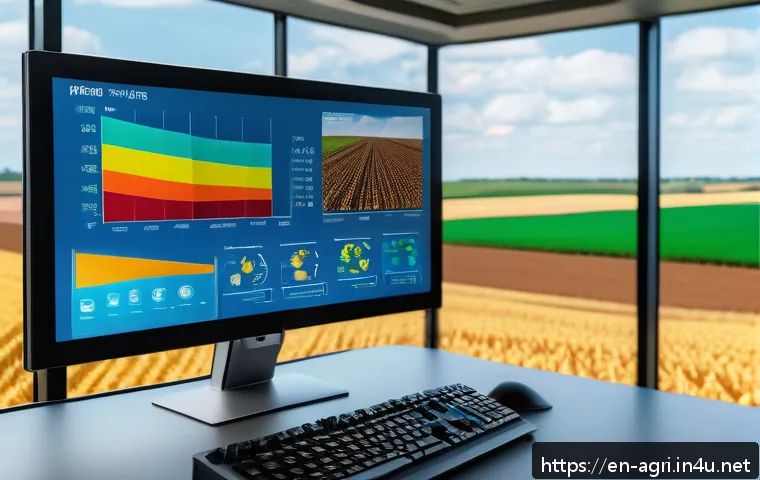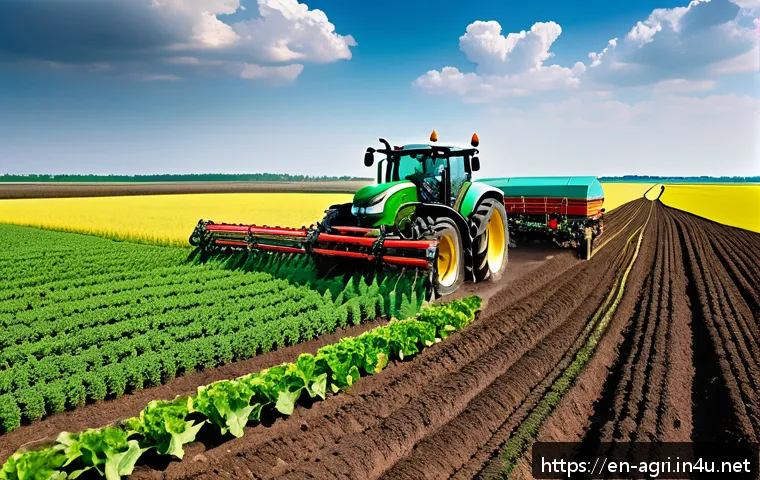
As climate concerns intensify, the agriculture sector is stepping up with innovative solutions to reduce its carbon footprint. From precision farming to smart sensors, cutting-edge technologies are transforming traditional practices into eco-friendly powerhouses.
I’ve seen firsthand how these advancements not only boost crop yields but also drastically cut emissions on farms. If you’re curious about how technology is reshaping agriculture and contributing to a greener planet, this deep dive will open your eyes to some game-changing trends.
Let’s explore how farms are becoming frontline heroes in the fight against climate change.
Revolutionizing Crop Management with Smart Technologies
How Precision Agriculture Fine-Tunes Every Plant’s Needs
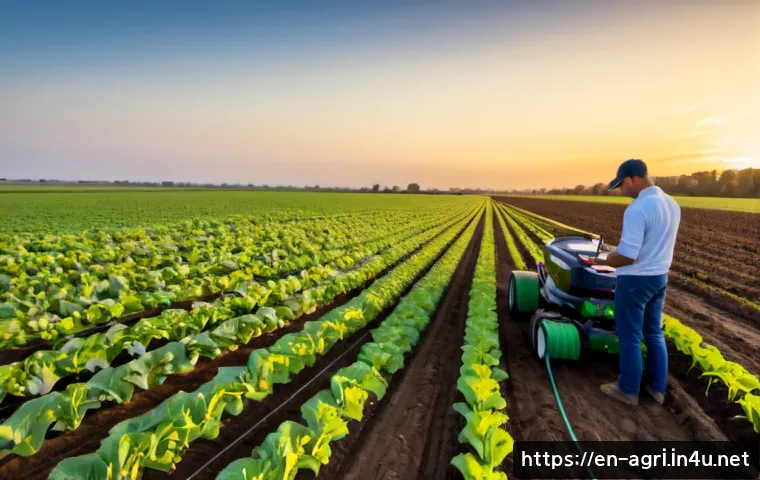
Precision agriculture is like having a personal nutritionist for every plant in the field. Instead of blanket-applying water, fertilizers, or pesticides, farmers use GPS and satellite data to target exactly where and when crops need attention.
From my visits to farms using these systems, it’s impressive how much waste is eliminated. Not only do crops get exactly what they need to thrive, but resources like water and chemicals are conserved, which directly cuts down emissions from production and application.
The smart use of data means healthier plants with less environmental impact — it’s a win-win scenario.
Smart Sensors: The Farm’s New Eyes and Ears
Smart sensors scattered throughout fields monitor soil moisture, temperature, and nutrient levels in real time. I’ve seen firsthand how this constant stream of information helps farmers make split-second decisions that save energy and reduce unnecessary treatments.
For example, if a sensor detects sufficient soil moisture, irrigation systems can be paused, saving gallons of water and reducing the energy used for pumping.
These tiny devices are transforming large farms into highly responsive ecosystems that adapt to changing conditions, boosting efficiency while shrinking the farm’s carbon footprint.
Data Analytics Driving Sustainable Decisions
Collecting data is one thing, but turning it into actionable insights is where the magic happens. Advanced analytics platforms aggregate sensor data, weather forecasts, and historical crop performance to recommend the best planting schedules and input levels.
From what I’ve gathered talking to growers, this predictive power helps them avoid over-application of fertilizers and pesticides, which are major sources of greenhouse gas emissions.
Plus, it enables better crop rotation planning, which improves soil health over time, locking carbon in the ground instead of releasing it into the atmosphere.
Innovations in Soil Health and Carbon Sequestration
Regenerative Practices That Restore and Store Carbon
Regenerative agriculture is gaining traction as a natural way to fight climate change. Techniques like cover cropping, no-till farming, and diversified crop rotations enrich soil organic matter, which acts like a sponge for carbon dioxide.
Farmers I’ve spoken with often mention how these methods not only improve soil fertility but also create a more resilient farming system. The added bonus?
Healthier soil means less need for synthetic inputs, which cuts emissions from their manufacturing and transport.
Biochar: Turning Waste Into a Carbon Sink
Biochar is a fascinating technology where organic waste is converted into a stable form of carbon that farmers add back to the soil. This practice traps carbon underground for decades or even centuries, preventing it from escaping into the atmosphere.
In addition to carbon storage, biochar improves soil structure and water retention, which reduces irrigation needs. I’ve noticed that farms experimenting with biochar often report better yields and lower input costs—a rare win that benefits both the environment and their bottom line.
Microbial Allies in Carbon Capture
Microbes in the soil play a crucial role in carbon cycling, and new research is unlocking ways to harness them for carbon sequestration. By promoting beneficial microbial communities through specific organic amendments or crop choices, farmers can accelerate the soil’s ability to capture and hold carbon.
When visiting farms implementing these strategies, I was struck by how integrating biology with technology creates a holistic system that’s much more sustainable than relying solely on chemicals.
Energy Efficiency and Renewable Integration on Farms
Solar and Wind Power Replacing Fossil Fuels
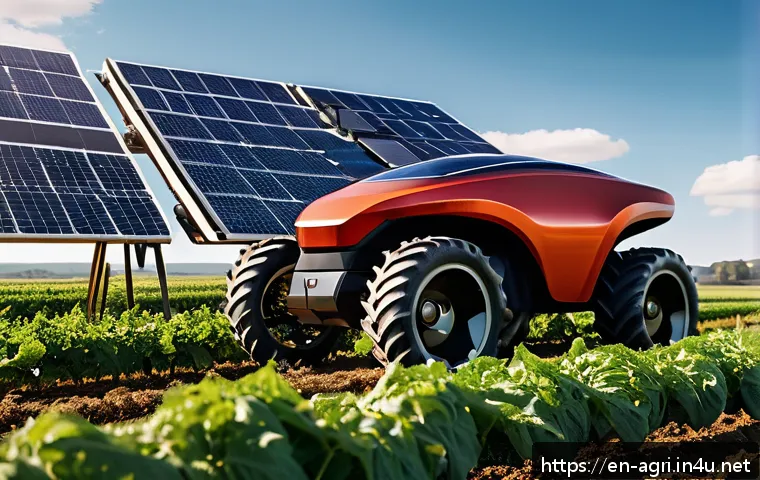
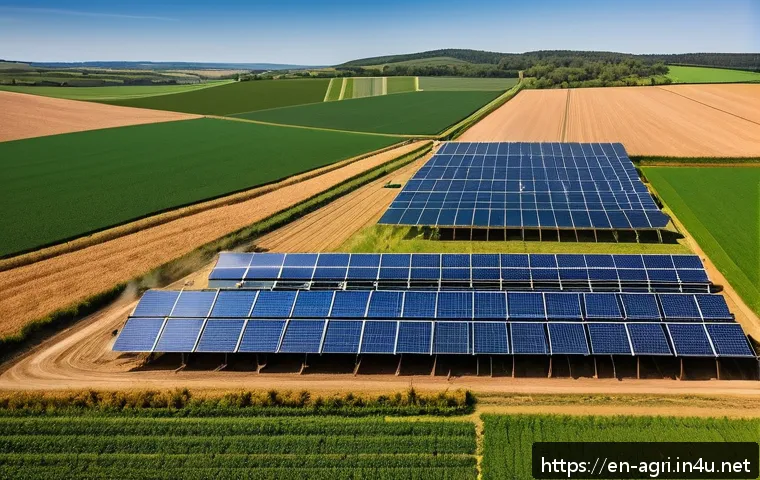
Many farms are now installing solar panels and small wind turbines to power irrigation pumps, greenhouses, and even processing facilities. I’ve seen setups where renewable energy systems not only reduce electricity bills but also provide a reliable power source during grid outages.
This shift away from fossil fuels directly cuts carbon emissions, and some farms even sell excess energy back to the grid, creating new revenue streams.
Electrification of Farm Equipment
While traditional diesel tractors and machines have been the norm for decades, electric alternatives are starting to make a mark. I recently toured a farm using electric tractors and noticed how quiet and efficient they were compared to their gas-powered counterparts.
Electric equipment reduces greenhouse gases and lowers operating costs since electricity is often cheaper and cleaner when sourced from renewables.
Smart Energy Management Systems
Integrating energy management platforms helps farms optimize power use by scheduling irrigation and machinery operation during off-peak hours. Farmers I spoke with find these systems invaluable for balancing their energy needs with cost savings and emission reductions.
It’s a smart way to squeeze the most efficiency out of every kilowatt-hour, which adds up to significant environmental and financial benefits over time.
Reducing Waste Through Circular Farming Models
Turning Crop Residues Into Valuable Resources
Instead of burning or discarding crop residues, innovative farms are repurposing them into compost, animal feed, or bioenergy. I’ve seen firsthand how this approach reduces methane emissions from decomposition and cuts the need for synthetic fertilizers.
It’s a circular mindset that maximizes resource use and minimizes waste.
Precision Livestock Farming for Lower Emissions
Livestock farming traditionally contributes a large chunk of agricultural emissions, but precision livestock farming is changing that. Technologies like automated feeding systems, health monitors, and manure management tools help reduce methane output and improve animal welfare.
Farmers I visited reported better herd health and productivity, which means fewer animals are needed to produce the same amount of food, lowering overall emissions.
Localizing Food Systems to Cut Transport Emissions
Reducing the distance food travels from farm to table is a simple but effective way to cut carbon footprints. Community-supported agriculture (CSA) and farm-to-table initiatives have grown in popularity, and I’ve noticed that consumers are increasingly willing to pay a premium for locally sourced produce.
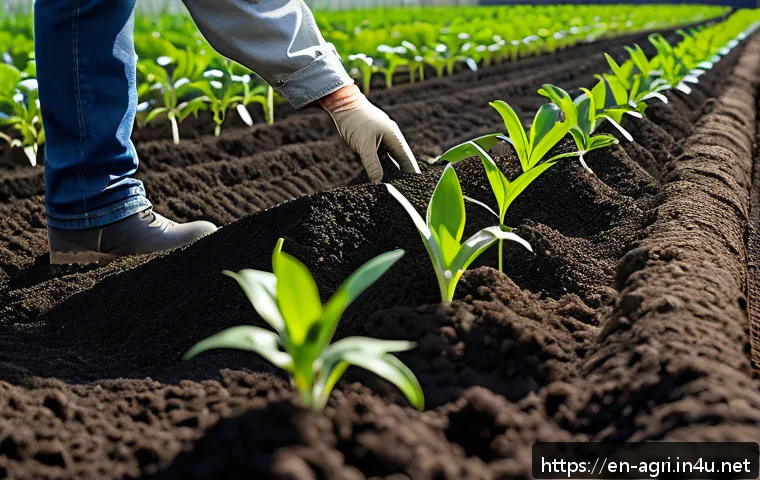
This shift not only supports local economies but also slashes emissions from transportation and storage.
Cutting-Edge Breeding and Genetic Tools for Sustainability
Developing Climate-Resilient Crop Varieties
Modern breeding techniques are accelerating the development of crops that can withstand drought, heat, and pests without heavy chemical inputs. I had the chance to talk with plant scientists working on these projects, and the potential is huge.
Resilient crops mean fewer resources wasted and more stable yields in the face of climate unpredictability.
Gene Editing for Enhanced Carbon Capture
Gene editing technologies like CRISPR are being explored to boost plants’ ability to capture carbon and improve nitrogen use efficiency. While still emerging, these tools promise to make agriculture more climate-friendly by tweaking plants at the genetic level to perform better with less environmental cost.
It’s a fascinating frontier that blends biology and technology in unprecedented ways.
Seed Banks and Biodiversity Conservation
Preserving genetic diversity through seed banks and on-farm conservation is crucial for long-term sustainability. Diverse crop genetics provide a buffer against climate stress and disease outbreaks.
Farmers I met who maintain heirloom varieties often notice that biodiversity translates into more resilient and adaptable farming systems, supporting both environmental and economic sustainability.
Comparative Overview of Technologies Reducing Agricultural Carbon Emissions
| Technology | Primary Benefit | Impact on Emissions | Additional Advantages |
|---|---|---|---|
| Precision Agriculture | Targeted input application | Reduces fertilizer and pesticide emissions by up to 30% | Increases crop yield and resource efficiency |
| Smart Sensors | Real-time soil and crop monitoring | Minimizes water and energy waste | Improves decision-making and reduces costs |
| Regenerative Practices | Soil carbon sequestration | Captures significant CO2 in soil | Enhances soil health and resilience |
| Renewable Energy Systems | On-site clean power generation | Eliminates fossil fuel emissions | Reduces energy costs and increases reliability |
| Electric Farm Equipment | Fossil fuel replacement | Lower direct emissions | Quieter operation and reduced maintenance |
| Precision Livestock Farming | Optimized animal management | Reduces methane emissions | Improves animal health and productivity |
Collaborative Platforms Driving Agricultural Innovation
Farmer Networks Sharing Best Practices
Farmers are no longer isolated; many join networks where they share experiences and solutions for reducing emissions. From my conversations, these communities are invaluable for spreading knowledge about new technologies and sustainable methods, accelerating adoption across regions.
Public-Private Partnerships Funding Green Tech
The collaboration between governments, private companies, and research institutions is fueling innovation. Grants and subsidies help farmers invest in new equipment and practices.
I’ve seen how this support removes financial barriers and encourages experimentation with cutting-edge solutions.
Digital Marketplaces Connecting Sustainable Producers
Online platforms now connect farmers committed to eco-friendly practices with conscious consumers and retailers. This transparency creates incentives for sustainability and opens new markets, helping farmers justify the investment in low-carbon technologies.
The Role of Policy and Incentives in Green Agriculture
Carbon Credits and Emission Trading Systems
Carbon markets are becoming a powerful tool for rewarding farmers who reduce emissions. I’ve encountered farmers participating in these programs who earn additional income by adopting regenerative practices or renewable energy, making sustainability economically attractive.
Regulations Promoting Low-Emission Inputs
Policies that limit the use of high-emission fertilizers and promote organic alternatives push the industry toward greener inputs. While sometimes challenging to navigate, farmers I know who embrace these changes often find long-term benefits in soil health and market positioning.
Education and Extension Services
Government and NGO-led training programs play a crucial role in equipping farmers with the knowledge to implement sustainable technologies. From personal experience, hands-on workshops and field demonstrations are the most effective ways to build confidence and competence in new methods.
In Conclusion
The integration of smart technologies in agriculture is transforming how we manage crops, conserve resources, and reduce emissions. From precision farming to renewable energy, these innovations offer practical solutions that benefit both farmers and the environment. Embracing these advancements paves the way for a more sustainable and resilient agricultural future.
Helpful Information to Know
1. Precision agriculture optimizes resource use, significantly lowering waste and emissions while improving yields.
2. Smart sensors provide real-time data that enable timely decisions, saving water, energy, and reducing unnecessary chemical use.
3. Regenerative farming practices restore soil health and act as natural carbon sinks, enhancing long-term sustainability.
4. Renewable energy and electric farm equipment reduce reliance on fossil fuels, cutting carbon footprints and operating costs.
5. Collaborative platforms and supportive policies accelerate the adoption of green technologies, making sustainable farming more accessible.
Key Takeaways
Advanced agricultural technologies not only improve productivity but also play a crucial role in combating climate change by lowering greenhouse gas emissions. Combining data-driven farming, soil regeneration, renewable energy, and innovative breeding creates a holistic approach that strengthens farm resilience. Support from networks, markets, and policies is essential to foster widespread implementation and ensure economic viability for farmers transitioning to sustainable practices.
Frequently Asked Questions (FAQ) 📖
Q: uestionsQ1: How does precision farming reduce the carbon footprint of agriculture?
A: Precision farming uses GPS, drones, and data analytics to monitor and manage crops with pinpoint accuracy. This means farmers apply water, fertilizers, and pesticides only where and when needed, significantly cutting waste and emissions.
From my experience visiting farms using these technologies, I noticed not just healthier crops but also a clear reduction in fuel and chemical use, which directly lowers greenhouse gas emissions.
Q: What role do smart sensors play in making farms more eco-friendly?
A: Smart sensors collect real-time data on soil moisture, temperature, and nutrient levels, enabling farmers to make informed decisions quickly. This technology helps avoid overwatering and over-fertilizing, which are major sources of unnecessary emissions.
I’ve seen farms using sensors reduce water consumption by up to 30%, which also lowers the energy needed for irrigation, making the whole operation greener.
Q: Can adopting these new technologies really increase crop yields while fighting climate change?
A: Absolutely. The beauty of these innovations is that they create a win-win situation. By optimizing resource use and reducing environmental impact, farmers can grow healthier crops more efficiently.
In my conversations with growers, many have reported yield improvements of 10-20% alongside significant emission reductions. It’s exciting to see how sustainability and productivity go hand in hand with these modern practices.