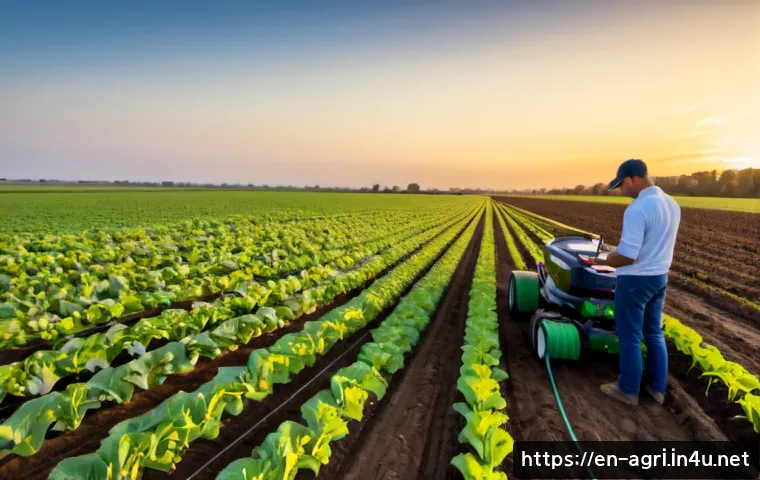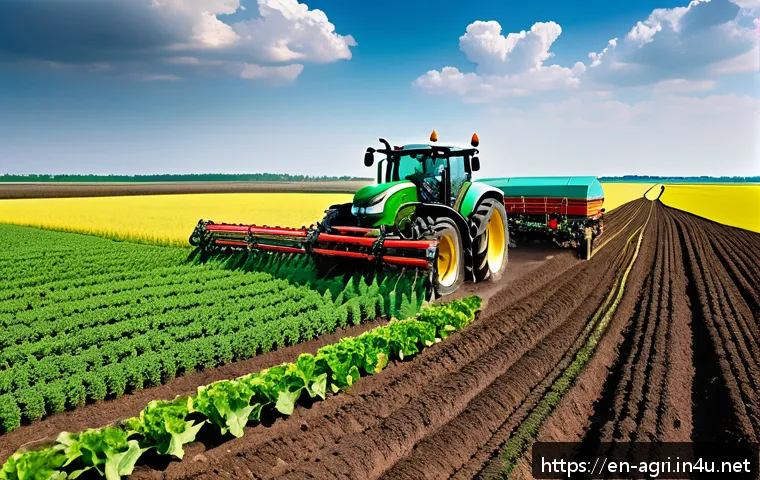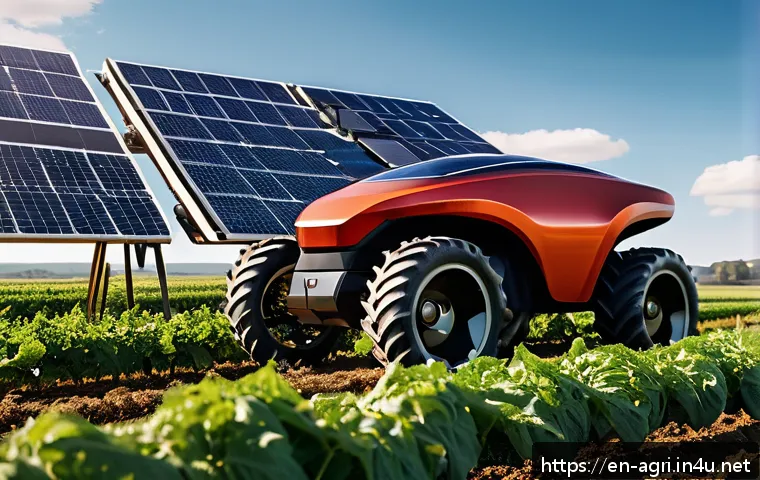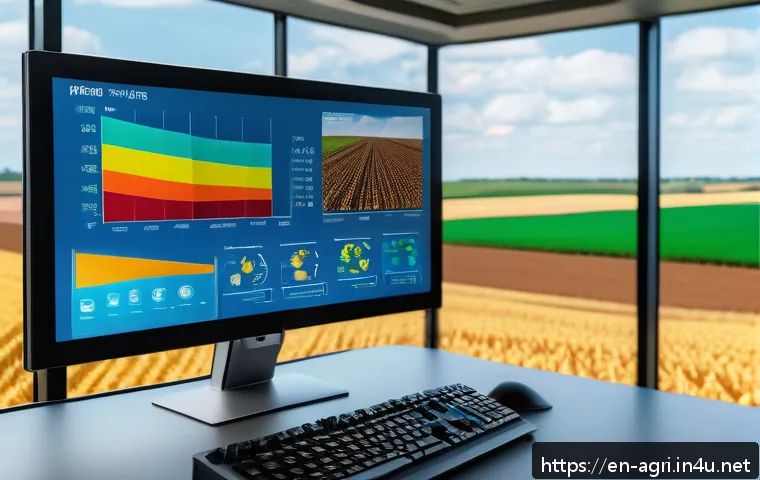
As global demand for sustainable food production surges, the farming industry is embracing a tech-driven revolution like never before. From AI-powered crop monitoring to smart irrigation systems, cutting-edge software is reshaping how farmers manage their fields and resources.
I’ve seen firsthand how these innovations not only boost yields but also reduce environmental impact, making agriculture smarter and more efficient. If you’re curious about how technology is transforming the age-old practice of farming, stay tuned—there’s a lot to explore that could change the way we think about food production forever.
Precision Farming: Tailoring Every Inch of the Field
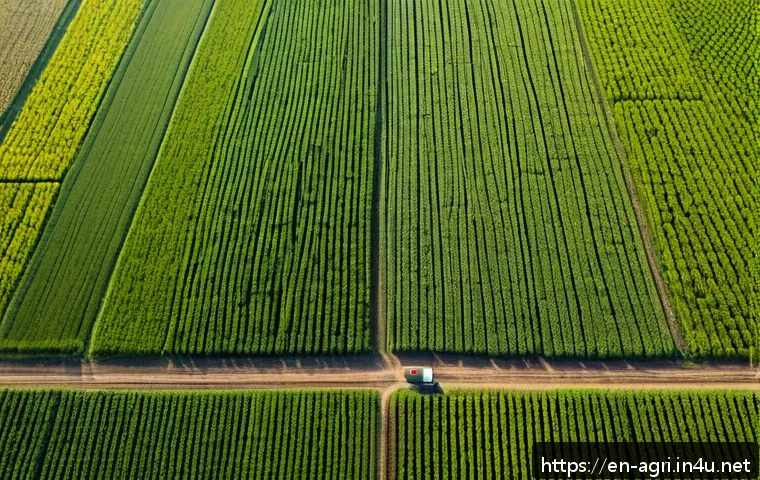
Satellite Imagery and Drone Surveillance
Using satellite imagery combined with drones, farmers can now get a bird’s-eye view of their fields daily. These high-resolution images reveal subtle changes in crop health that human eyes might miss, such as early signs of disease or pest infestations.
I remember visiting a farm where drones flew autonomously, scanning acres in minutes, feeding data back to a central system. This allowed the farmer to act swiftly—targeting only the affected areas with treatments rather than spraying the entire field, which not only saved money but also reduced chemical runoff into nearby waterways.
Variable Rate Technology (VRT) for Input Efficiency
Variable Rate Technology lets farmers apply fertilizers, pesticides, and water precisely where needed rather than uniformly across the field. I’ve seen VRT in action on a mid-sized farm where sensors and GPS data guided machinery to adjust input levels on the go.
This technology cuts down waste dramatically, improving crop quality and increasing profitability. It’s impressive how this approach aligns with sustainability goals by minimizing over-application and reducing environmental harm.
Soil Health Monitoring and Analysis
Soil sensors measuring moisture, pH, and nutrient content in real-time have become invaluable tools. With continuous monitoring, farmers can understand their soil’s condition and adjust practices accordingly.
I spoke with a grower who used soil data to rotate crops more effectively and schedule irrigation precisely, resulting in healthier plants and lower water bills.
These insights help maintain soil fertility over time, which is critical for long-term farm productivity.
Smart Irrigation Systems: Saving Water and Boosting Growth
Automated Drip Irrigation Controlled by AI
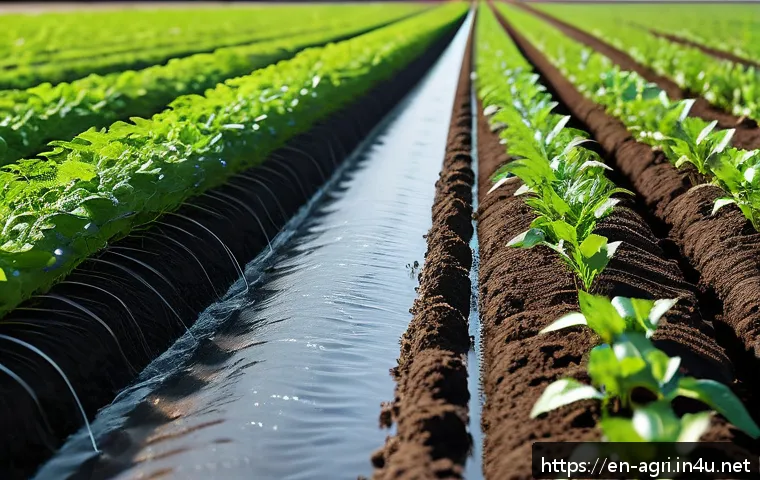
Smart irrigation systems now leverage AI to analyze weather forecasts, soil moisture, and crop needs before deciding when and how much to water. I’ve witnessed firsthand how these systems prevent overwatering, which is a common issue in traditional irrigation.
One farmer shared that since adopting an AI-driven drip irrigation setup, his water usage dropped by almost 30%, yet his yields improved due to more consistent moisture levels.
Weather-Responsive Water Management
Integrating real-time weather data into irrigation scheduling is a game changer. Systems can delay watering if rain is forecasted or increase it during heatwaves automatically.
This responsiveness not only conserves water but also protects crops from stress. I recall a case where a sudden heatwave hit, and the smart system adjusted irrigation frequency, preventing crop wilting and ensuring steady growth.
Remote Monitoring and Control via Mobile Apps
Farmers can now monitor their irrigation systems remotely through smartphone apps, receiving alerts and making adjustments anytime, anywhere. I’ve found this convenience especially helpful during busy seasons or when managing multiple fields.
Being able to respond immediately to system faults or changing conditions reduces downtime and potential crop loss.
Data-Driven Decision Making: Unlocking Insights for Better Yields
Integrating Multiple Data Sources
Farmers are increasingly combining data from soil sensors, weather stations, satellite images, and machinery to get a comprehensive understanding of their operations.
I’ve seen farms using platforms that aggregate all this information into easy-to-read dashboards, enabling smarter planning. This holistic view helps identify trends and problem areas early, allowing proactive management rather than reactive fixes.
Predictive Analytics for Crop Forecasting
Predictive models use historical and current data to forecast crop growth stages, yield estimates, and potential risks. I’ve noticed how these forecasts allow farmers to optimize harvest timing and market planning, improving profitability.
For example, a farmer shared how early warnings about a potential drought helped him adjust planting density and irrigation, mitigating losses.
Farm Management Software for Workflow Optimization
Comprehensive farm management systems streamline everything from labor scheduling to inventory management. I’ve tried such software myself and found that it reduces administrative burdens, freeing up more time to focus on fieldwork.
These platforms also facilitate compliance with regulations and certifications, which is increasingly important in today’s market.
Robotics and Automation: Redefining Labor in Agriculture
Autonomous Tractors and Harvesters
Autonomous machinery is no longer science fiction; these vehicles can plow, seed, and harvest with minimal human intervention. Watching one in action was eye-opening—it navigated complex terrain, adjusted speed, and avoided obstacles flawlessly.
This technology helps address labor shortages and improves operational consistency, especially on large-scale farms.
Robotic Weed Control
Robots equipped with AI and computer vision can identify and remove weeds without herbicides. I observed a robotic weeder that used mechanical arms to uproot weeds selectively, reducing chemical use and preventing herbicide resistance.
This method benefits organic farmers or those seeking to minimize chemical inputs while maintaining clean fields.
Automated Greenhouses and Controlled Environment Agriculture
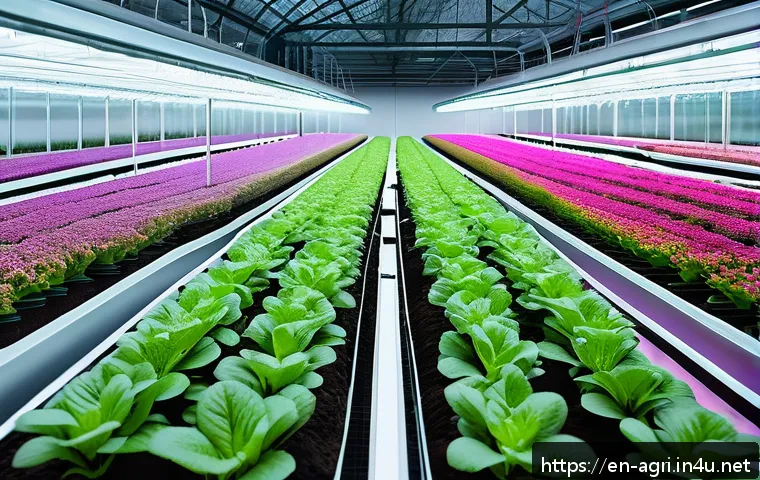
Automation extends indoors as well, with systems regulating temperature, humidity, light, and nutrient delivery in greenhouses. I’ve toured high-tech greenhouses where these controls ensure optimal growing conditions year-round, boosting production and quality.
This is especially valuable in regions with harsh climates or limited arable land.
Collaborative Platforms and Market Access
Digital Marketplaces Connecting Farmers and Buyers
Online platforms now connect producers directly with wholesalers, retailers, and consumers, cutting out intermediaries. I’ve heard from farmers who expanded their customer base significantly thanks to these marketplaces, gaining better prices and feedback.
This transparency empowers farmers and helps consumers access fresher products.
Community Knowledge Sharing Networks
Farmers are increasingly using apps and forums to share experiences, troubleshoot problems, and exchange advice. I participate in some of these networks and find them invaluable for learning about new practices or emerging pests quickly.
This collective intelligence accelerates innovation adoption and problem-solving.
Financial and Risk Management Tools
Technology also aids in securing loans, insurance, and subsidies by providing verifiable data on farm operations. I know farmers who improved their access to credit through detailed production records and yield forecasts generated by software.
These tools help stabilize income and promote investment in sustainable practices.
Summary of Key Agricultural Technologies and Their Benefits
| Technology | Main Function | Benefits | Real-World Example |
|---|---|---|---|
| Drone Surveillance | Field monitoring via aerial imagery | Early disease detection, targeted treatment | Reduced pesticide use by 20% on a large corn farm |
| Variable Rate Technology | Precision application of inputs | Cost savings, environmental protection | 30% fertilizer reduction on wheat farm |
| Smart Irrigation | Automated water scheduling based on AI | Water conservation, improved yields | 30% water savings during dry season |
| Predictive Analytics | Crop growth and risk forecasting | Optimized harvest timing, risk mitigation | Yield increase of 15% through adjusted planting |
| Autonomous Machinery | Automated fieldwork operations | Labor reduction, operational efficiency | Autonomous tractor operating 24/7 on a large farm |
| Robotic Weed Control | Selective mechanical weed removal | Reduced herbicide use, sustainable weed management | Organic vegetable farm eliminating chemical herbicides |
In Conclusion
Precision farming and advanced agricultural technologies are transforming how we grow food, making farming more efficient, sustainable, and profitable. By embracing innovations like drone surveillance, smart irrigation, and robotics, farmers can tailor their practices to the unique needs of every field. These tools not only improve yields but also reduce environmental impact, paving the way for a smarter, more resilient agricultural future.
Helpful Information to Keep in Mind
1. Precision technologies help identify crop issues early, allowing targeted interventions that save resources and reduce chemical use.
2. Smart irrigation systems optimize water use by responding to weather and soil conditions, significantly lowering water waste.
3. Integrating multiple data sources empowers farmers to make informed decisions, improving operational efficiency and crop health.
4. Robotics and automation alleviate labor shortages while ensuring consistent and precise fieldwork.
5. Digital platforms enhance market access and community knowledge sharing, supporting better financial and risk management for farmers.
Key Takeaways
Adopting modern agricultural technologies is essential for meeting the demands of today’s farming challenges. Efficient input management, data-driven insights, and automation not only boost productivity but also promote environmental stewardship. Staying informed and leveraging these tools can help farmers increase profitability while building sustainable practices that benefit both the land and future generations.
Frequently Asked Questions (FAQ) 📖
Q: uestionsQ1: How does
A: I-powered crop monitoring improve farming efficiency? A1: AI-powered crop monitoring uses drones, sensors, and satellite imagery to collect real-time data on plant health, soil conditions, and pest activity.
This allows farmers to identify issues early and apply precise treatments, reducing waste and increasing crop yields. From my experience, this technology helps save both time and resources, making farm management far more proactive rather than reactive.
Q: What are smart irrigation systems, and how do they benefit sustainable farming?
A: Smart irrigation systems automate watering schedules based on weather forecasts, soil moisture levels, and crop needs. Unlike traditional irrigation, these systems prevent overwatering and conserve water—one of the most critical resources in farming.
I’ve seen farms cut their water usage dramatically while maintaining healthy crops, which is a win-win for the environment and the bottom line.
Q: Are these advanced farming technologies accessible to small-scale farmers?
A: While some high-tech solutions may seem expensive at first, many companies now offer affordable, scalable options tailored for small and medium-sized farms.
Plus, government grants and subsidies often support sustainable tech adoption. From talking with farmers in various communities, I’ve noticed that even modest investments in technology can lead to significant improvements in productivity and sustainability.