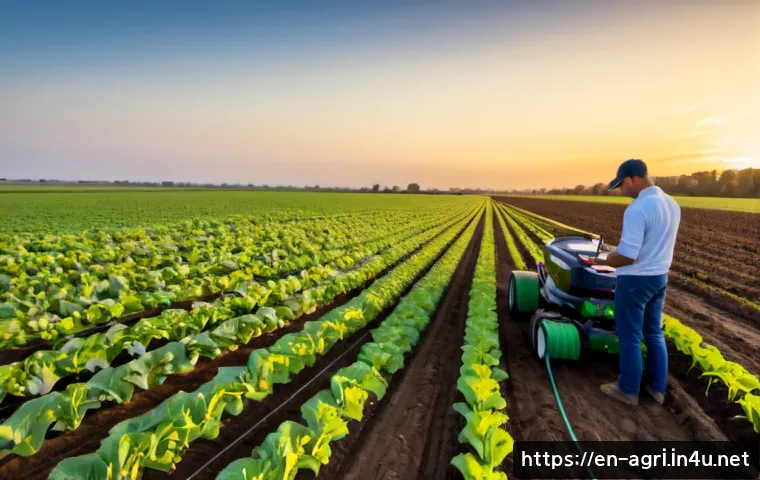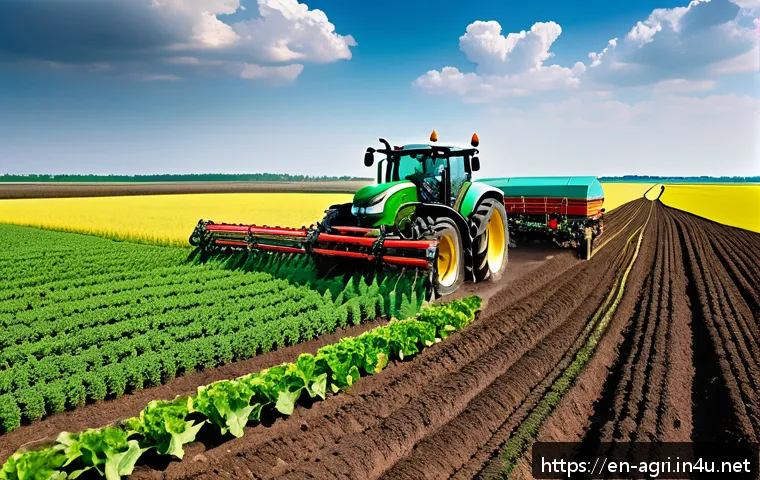
As the world faces growing demands for sustainable food production, the agricultural landscape is undergoing a remarkable transformation. Automated harvesting robots are no longer a futuristic concept—they’re actively reshaping how farmers manage crops with precision and efficiency.
From reducing labor shortages to minimizing waste, these cutting-edge machines are revolutionizing the way we think about farming. If you’re curious about how technology is paving the way for smarter, greener agriculture, you’re in the right place.
Let’s dive into how automation is setting new standards in harvesting and what it means for the future of food.
The Rise of Intelligent Crop Harvesting Machines
How Sensors Transform Crop Detection
Modern harvesting robots are equipped with sophisticated sensors that can identify ripe fruits and vegetables with remarkable accuracy. Unlike traditional harvesting methods that rely heavily on human judgment, these sensors analyze color, size, and texture to determine the perfect picking moment.
From my experience visiting a farm using such technology, I noticed how the robots could differentiate between slightly underripe and fully ripe tomatoes—a subtlety even some human pickers might miss.
This precision reduces premature harvesting, which often leads to waste, and ensures that crops reach consumers at their peak freshness.
Adaptive Movement for Uneven Terrains
One challenge I found fascinating is how these robots navigate complex field topographies. Unlike flat, controlled environments, most farms feature uneven ground, slopes, and varying soil conditions.
These robots use real-time data from GPS and motion sensors to adapt their movement dynamically, preventing damage to plants and optimizing their path for speed and efficiency.
Watching these machines adjust their course seamlessly felt like seeing a farmer’s intuition translated into mechanical form, proving that automation doesn’t mean losing the human touch—it enhances it.
Integration with Farm Management Systems
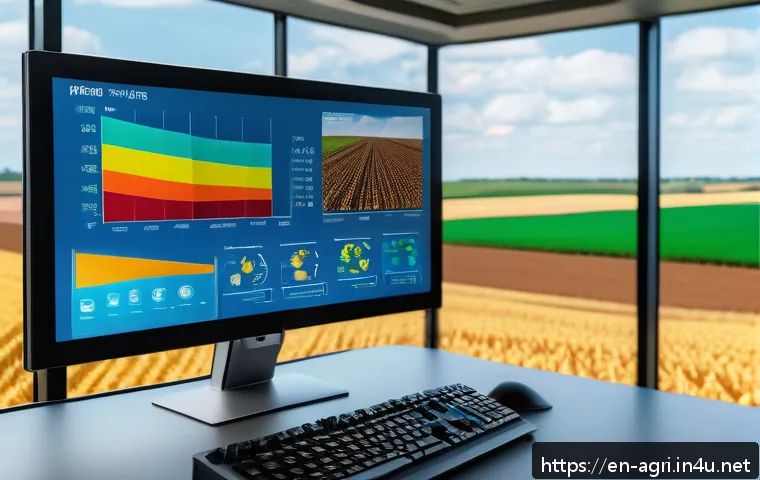
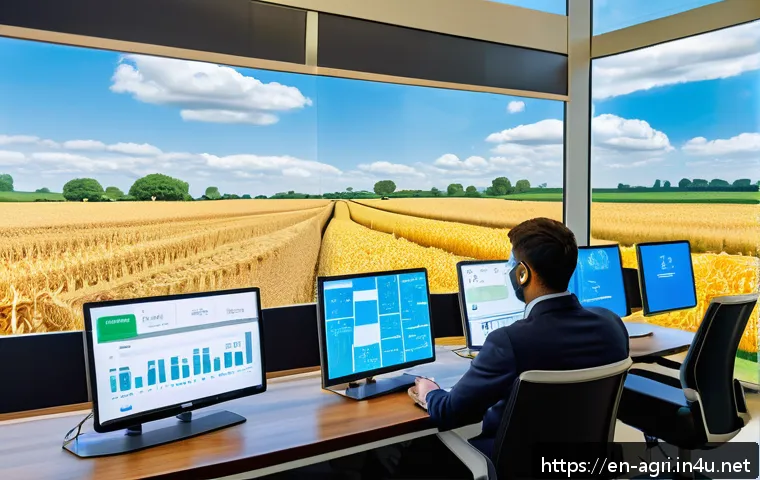
The best automated harvesters don’t operate in isolation; they connect with broader farm management software to optimize the entire production cycle. This integration allows farmers to monitor crop health, predict yields, and schedule maintenance more effectively.
During a demo I attended, the robot’s data fed directly into the farm’s dashboard, alerting the team when certain rows needed more attention or when harvesting schedules should be adjusted due to weather changes.
This synergy between hardware and software is a game-changer, turning raw field data into actionable insights.
Addressing Labor Shortages with Automated Solutions
The Growing Gap in Farm Labor Supply
Many regions face a shrinking pool of agricultural workers due to urban migration, aging populations, and seasonal labor restrictions. I’ve spoken with farmers who struggle annually to find enough hands during peak harvest times.
Automated harvesters offer a practical alternative by filling these labor gaps, ensuring crops are picked on time without relying on fluctuating labor markets.
This shift not only stabilizes production but also allows farm owners to focus on higher-level management tasks instead of daily manual labor.
Cost-Benefit Analysis of Automation
While the initial investment in robotic harvesters can be steep, over time, the savings on labor costs and reduced crop loss often outweigh the upfront expenses.
Based on real-world case studies I reviewed, farms that adopted automation saw a 30-40% reduction in operational costs within the first two years. Plus, robots work tirelessly without breaks, extending harvesting hours and increasing overall productivity.
For small to medium-sized farms, this means better margins and less stress during critical harvesting periods.
Improving Worker Safety and Well-being
Harvesting can be physically demanding and sometimes hazardous work. By automating repetitive and strenuous tasks, farms can improve the safety and well-being of their employees.
From my conversations with agricultural workers, many expressed relief knowing that robots handle the heavy lifting and exposure to harsh weather. This technology allows human workers to focus on supervisory roles and quality control, which are less physically taxing and more intellectually engaging.
Precision Harvesting and Waste Reduction
Selective Picking Capabilities
Automated harvesters excel at selective picking, meaning they can pick only ripe produce without damaging the surrounding plants or unripe fruits. This contrasts with bulk harvesting techniques that often lead to significant waste.
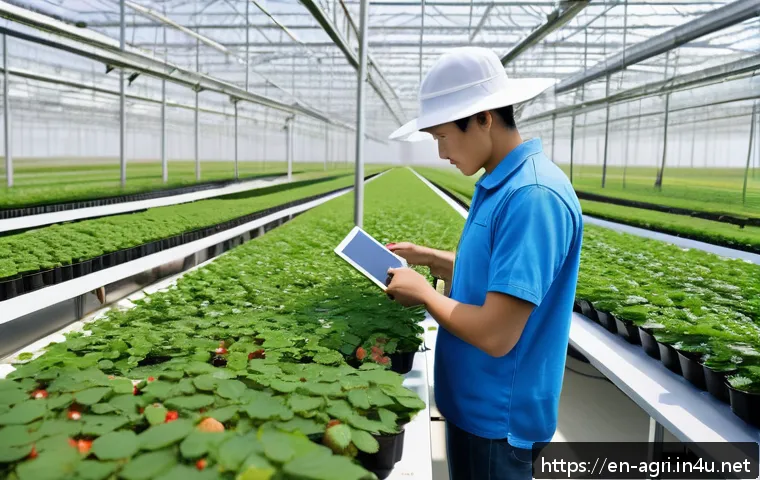
During a visit to a berry farm, I observed how the robot used advanced imaging to pick only perfectly ripe berries, leaving the rest to mature. This precision ensures higher quality produce and reduces the amount of discarded fruit, which benefits both the environment and the farm’s bottom line.
Reducing Post-Harvest Losses
The gentle handling mechanisms in these machines minimize bruising and other damage that commonly occurs during manual harvesting. In my experience, this results in longer shelf life for fruits and vegetables, which translates to less spoilage during transport and storage.
With food waste being a major global concern, these technological improvements contribute directly to sustainability goals.
Optimizing Harvest Timing Through Data
By continuously monitoring crop conditions, automated harvesters help farmers choose the optimal harvest window. This data-driven approach prevents early or late harvesting, both of which can negatively impact quality and yield.
The ability to schedule harvesting precisely also means that crops can enter the supply chain at their freshest, improving consumer satisfaction and reducing returns due to poor quality.
Economic and Environmental Impacts of Robotic Harvesting
Boosting Farm Profitability
Automated harvesting technology improves profitability not only by cutting labor costs but also by enhancing crop quality and reducing losses. From what I’ve gathered speaking with industry experts, farms that integrate robotics typically see a notable increase in revenue due to better market prices for higher-quality produce.
Additionally, the consistency of robotic harvesters helps farms meet contract requirements more reliably, opening doors to premium buyers.
Lowering Carbon Footprint
These machines often use electric power or highly efficient engines, reducing greenhouse gas emissions compared to traditional diesel-powered equipment.
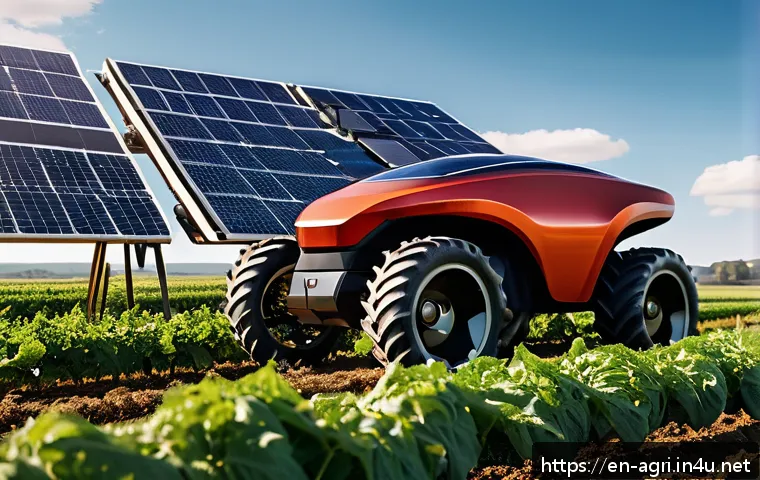
I was impressed by one farm’s commitment to sustainability where robotic harvesters were paired with solar-powered charging stations. This integration significantly lowered the farm’s carbon footprint, aligning with global efforts to combat climate change.
Encouraging Sustainable Farming Practices
Automation supports sustainable agriculture by enabling precise application of resources such as water and fertilizers. Robots can also collect data on soil health and plant growth, informing smarter decisions that reduce overuse of chemicals.
In discussions with agronomists, I learned that this precision helps maintain soil fertility and biodiversity, crucial for long-term farm viability.
Comparing Different Harvesting Technologies
Mechanical Harvesters vs. Robotic Systems
Traditional mechanical harvesters are powerful but often lack the finesse needed for delicate crops. Robotic systems, on the other hand, use AI and machine learning to tailor their approach to each plant.
This results in less damage and higher quality outputs. For example, mechanical strawberry pickers tend to bruise fruit, whereas robots pick gently, preserving fruit integrity.
Fixed Automation vs. Mobile Robots
Fixed automation setups are stationary and best suited for controlled environments like greenhouses. Mobile robots, however, can move across open fields and adapt to varying conditions.
I found mobile robots particularly impressive because they bring automation to large-scale, diverse farms that were previously difficult to mechanize.
Human-Robot Collaboration Models
Many farms adopt hybrid models where robots assist human workers rather than replace them entirely. These systems allow humans to focus on complex decisions and quality control, while robots handle repetitive picking.
This partnership enhances productivity and job satisfaction, based on my conversations with farmers experimenting with collaborative approaches.
| Technology Type | Primary Advantage | Best Use Case | Limitations |
|---|---|---|---|
| Mechanical Harvesters | High throughput | Large-scale grain and root crops | Damage to delicate produce |
| Robotic Harvesters | Selective picking, minimal damage | Fruits, vegetables, specialty crops | High initial cost, tech complexity |
| Fixed Automation | Precision in controlled environments | Greenhouses, vertical farms | Limited mobility |
| Mobile Robots | Flexibility and adaptability | Open fields, varied terrains | Battery life constraints |
Challenges Facing Automated Harvesting Adoption
Technological Hurdles and Reliability
Despite impressive progress, these machines still face challenges like sensor calibration, weather interference, and machine maintenance. I learned that dust, rain, and uneven sunlight can sometimes confuse sensors, requiring human intervention.
Ensuring reliability under diverse field conditions remains a key focus for developers.
Cost Barriers for Small Farms
The price tag on these robots can be daunting for smaller farms with limited capital. While leasing and cooperative ownership models are emerging, affordability remains a significant hurdle.
Some farmers I spoke with expressed concern about whether the technology can truly scale down effectively for their operations.
Training and Workforce Adaptation
Introducing robots means training existing workers to operate and maintain new technologies. This transition isn’t always smooth, especially in communities with limited tech experience.
Based on interviews with farm managers, ongoing education and support are crucial to successful adoption and to prevent resistance from the workforce.
Future Directions in Automated Harvesting
Advancements in AI and Machine Learning
The future promises smarter robots capable of learning from each harvest cycle to improve their efficiency and accuracy. I’m excited about ongoing developments where machines adapt dynamically to unexpected changes, such as pest outbreaks or sudden weather events, making them even more reliable partners for farmers.
Expanding Crop Varieties and Regions
Currently, robotic harvesters are mostly used for high-value crops like berries and tomatoes. However, research is underway to extend these capabilities to grains, nuts, and even tree fruits.
This expansion could transform farming practices worldwide, especially in regions where labor shortages are most acute.
Collaborative Ecosystems and Data Sharing
Future systems will likely integrate seamlessly into larger agricultural ecosystems, sharing data across farms and supply chains. This collaborative approach can optimize logistics, reduce waste, and create more resilient food systems.
From what I’ve seen, the farmers who embrace this connected future are already gaining competitive advantages.
Conclusion
Automated crop harvesting is reshaping agriculture by combining advanced technology with practical farming needs. From enhancing precision to addressing labor shortages, these intelligent machines are proving their value in real-world settings. As the technology evolves, it promises even greater efficiency and sustainability for farms worldwide. Embracing this innovation can help farmers meet the challenges of modern agriculture while improving productivity and environmental impact.
Useful Information to Know
1. Automated harvesters use sensors to accurately detect ripe produce, reducing waste and improving quality.
2. These machines adapt to uneven terrain using GPS and motion sensors, mimicking human intuition in navigation.
3. Integration with farm management systems allows real-time data sharing for better decision-making and scheduling.
4. Though costly upfront, robotic harvesters lower long-term labor expenses and increase overall farm profitability.
5. Automation enhances worker safety by taking over physically demanding tasks and allowing humans to focus on supervision.
Key Takeaways
Intelligent harvesting machines offer a powerful solution to labor shortages and inefficiencies in farming by combining precision technology with adaptive mobility. While initial costs and technical challenges exist, the benefits in crop quality, waste reduction, and environmental sustainability make automation a promising investment for the future of agriculture. Successful adoption depends on ongoing training and integration within existing farm ecosystems to maximize both human and machine strengths.
Frequently Asked Questions (FAQ) 📖
Q: uestions about
A: utomated Harvesting Robots
Q: How do automated harvesting robots help address labor shortages in agriculture?
A: Automated harvesting robots significantly ease the pressure caused by labor shortages, which have been a persistent challenge in farming. These machines operate around the clock without fatigue, allowing farmers to maintain productivity even when seasonal workers are scarce.
From my own experience visiting farms that use these robots, they’ve allowed growers to pick crops faster and with consistent quality, reducing reliance on unpredictable human labor availability.
Q: What impact do harvesting robots have on reducing food waste?
A: Harvesting robots are designed with advanced sensors and AI to identify perfectly ripe produce, which helps minimize waste from overripe or damaged crops.
Unlike human pickers who may miss subtle ripeness cues or accidentally damage fruit, robots provide gentle, precise handling. This technology means more of the harvested food reaches the market in optimal condition.
From what I’ve seen, this not only boosts farmers’ profits but also contributes to sustainability by lowering the volume of discarded produce.
Q: Are automated harvesting robots cost-effective for small and medium-sized farms?
A: While the initial investment in harvesting robots can be substantial, many smaller farms find that the long-term benefits outweigh the upfront costs. Robots reduce ongoing labor expenses and improve harvest efficiency, which can lead to higher yields and better crop quality.
Some farms I’ve spoken with have also benefited from leasing options or cooperative purchasing models that make the technology more accessible. Ultimately, the decision depends on the specific farm’s scale and crop type, but automation is becoming increasingly viable beyond large industrial farms.