Hey everyone! You know, we all love food, right? It’s a fundamental part of our daily lives, something we often take for granted – until, of course, our favorite avocado is out of season or that special ingredient becomes surprisingly pricey.
But have you ever really stopped to think about the incredible, often invisible, journey your fresh produce takes to get from the farm all the way to your dinner table?
It’s a much more complex and fascinating process than most of us imagine, especially with all the incredible innovations and unexpected curveballs hitting the industry these days.
From local farmers battling unpredictable weather and rising costs to massive global logistics networks navigating geopolitical tensions and labor shortages, the journey of our food is constantly evolving.
In today’s fast-paced world, understanding how our agricultural distribution works isn’t just interesting – it’s absolutely crucial for everything from ensuring food security to impacting your weekly grocery bill.
I’ve personally been diving deep into this lately, and what I’ve discovered about the hidden layers of our food supply chain is truly eye-opening. We’re talking about everything from the rise of precision agriculture and AI-powered demand forecasting to the growing movement towards direct-to-consumer sales and sustainable packaging.
It’s a field brimming with opportunities for efficiency, sustainability, and ultimately, making sure we all have access to the best possible food. Ready to peel back the layers and discover the fascinating world of how our food gets from the field to your fridge?
Let’s dive in and explore the intricate details of agricultural distribution structures right here!
The Modern Farm’s First Steps: From Field to First Stop
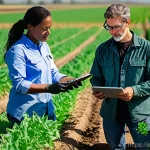
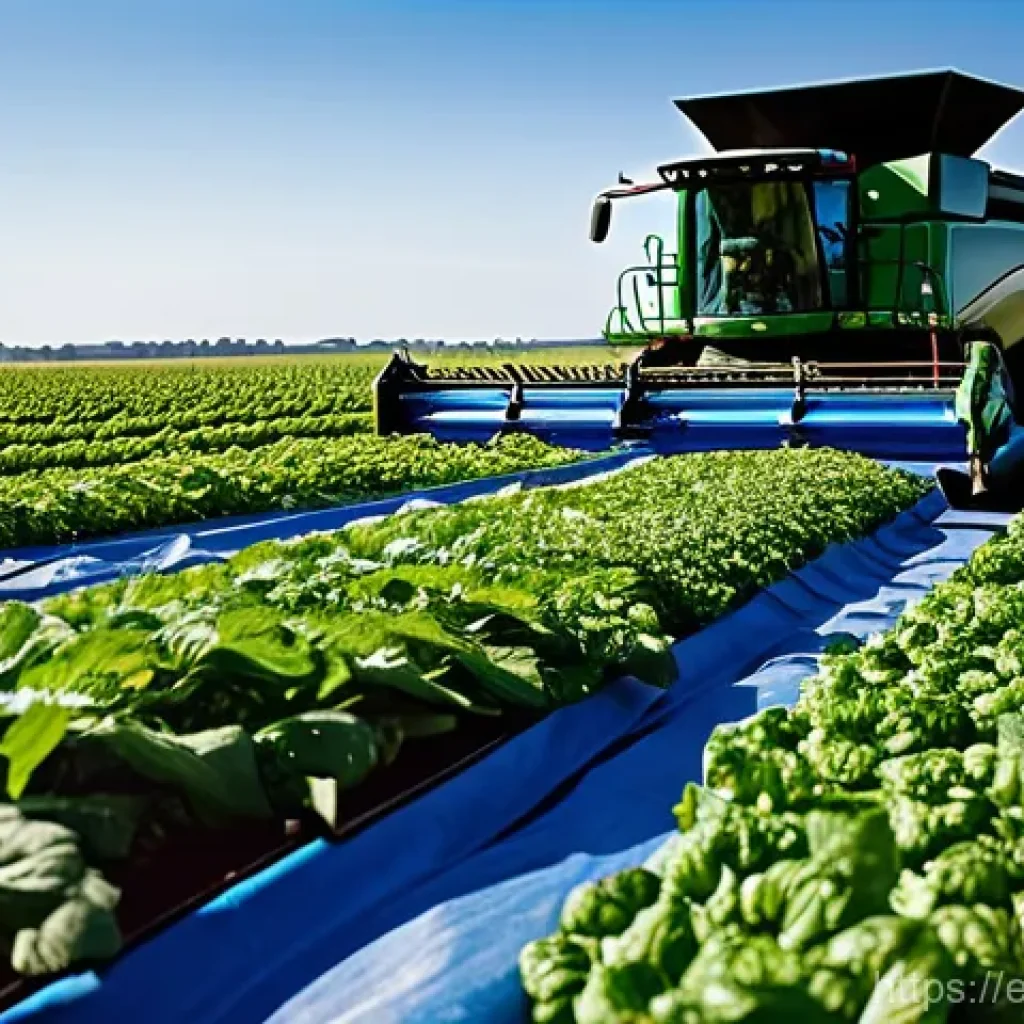
Picture this: a bustling farm, ripe with the season’s bounty, and farmers working tirelessly under the sun. This isn’t just a picturesque scene; it’s the critical first stage of getting food to us. I’ve had the incredible opportunity to visit a few local farms in my area, and honestly, seeing the sheer effort involved in harvesting is truly humbling. It’s not just picking; it’s a carefully orchestrated dance of timing, labor, and often, specialized machinery. Take, for instance, the delicate handling required for berries versus the robust machinery used for corn. Each crop has its unique demands, and missteps here can impact everything down the line, from freshness to market price. After harvest, the clock starts ticking for perishable goods, demanding immediate attention to cooling, cleaning, and initial sorting. I remember one farmer telling me how a single day’s delay in cooling leafy greens could significantly reduce their shelf life and market value. It’s a constant battle against time and nature, and their dedication ensures we get the freshest possible produce. This initial handling sets the stage for the entire journey, determining the quality that eventually lands in our shopping carts.
Harvest Hues and Hurries: The Initial Collection
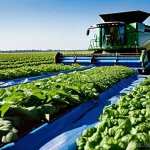
Harvesting is far more nuanced than simply plucking produce from the ground or trees. It involves precise timing – picking crops at their peak ripeness ensures optimal flavor and nutritional value. Too early, and they lack development; too late, and they might spoil quickly. Farmers often employ a mix of traditional manual labor and advanced machinery, depending on the crop and scale. For delicate items like strawberries or specialty vegetables, skilled hands are irreplaceable, but for staples like potatoes or grains, huge harvesters sweep through fields, collecting vast quantities efficiently. This immediate post-harvest stage also includes field-packing for some items, which means they are packaged right there, reducing handling and potential damage. My experience observing this really opened my eyes to the incredible precision and physical effort involved, making me appreciate every single apple and lettuce leaf even more.
Packing, Prepping, and the Perishable Paradox
Once harvested, produce often heads straight to a packing house, either on the farm or a nearby facility. Here, it undergoes initial cleaning, sorting, and grading. This is where quality control really kicks in – any bruised, damaged, or suboptimal items are removed, ensuring only the best make it to the next stage. Cooling is absolutely paramount for many fruits and vegetables; a process often referred to as ‘hydro-cooling’ or ‘forced-air cooling’ quickly removes field heat, drastically extending shelf life. Without proper cooling, produce can rapidly deteriorate, leading to immense waste. I’ve seen state-of-the-art cooling facilities that look like massive refrigerators, meticulously maintained to preserve freshness. The paradox is that while we want fresh food, its very freshness makes it highly perishable, requiring this intricate dance of rapid handling and temperature control before it even leaves the farm’s immediate vicinity.
Navigating the Middlemen Maze: Distributors, Wholesalers, and Beyond
After leaving the farm, our food enters a complex web of distributors and wholesalers. For most of us, these are the invisible heroes and heroines of the food chain, connecting thousands of farms with millions of consumers. Think about it: a small farmer might not have the resources or network to get their carrots to a supermarket chain that serves an entire state. That’s where distributors step in, acting as crucial intermediaries. They consolidate produce from multiple farms, sort it, and then transport it to larger markets, regional distribution centers, or directly to retailers. This consolidation is vital for efficiency, allowing smaller farms to access broader markets and ensuring retailers have a consistent supply. I’ve always been fascinated by the logistics behind this – coordinating countless trucks, warehouses, and orders, all while dealing with highly perishable goods. It’s a high-stakes game where efficiency and precision are everything. Their role is not just about transportation; it’s about market knowledge, supply-chain management, and anticipating consumer demand to avoid both shortages and wasteful surpluses. Without these crucial links, our grocery stores would look a lot emptier, and fresh food would be far less accessible.
The Crucial Role of Consolidation Hubs
Consolidation hubs, often large warehouses or aggregation centers, are the beating hearts of regional distribution. Imagine trucks from dozens of farms arriving, offloading their specific produce. Here, these diverse shipments are sorted, sometimes repackaged, and then combined into larger, more efficient loads destined for bigger clients like supermarkets or food service companies. This “cross-docking” process minimizes storage time, which is critical for maintaining freshness. I recall a documentary where they showed a massive hub managing thousands of pallets daily, each holding different types of produce, all moving with incredible speed and accuracy. It’s an almost balletic coordination of forklifts, conveyors, and human labor, all focused on getting food where it needs to go, fast. These hubs leverage economies of scale, making it cost-effective to transport food over longer distances and to a wider array of destinations than individual farms could manage on their own.
The Retailer’s Tightrope: Balancing Supply and Demand
Retailers, from your local corner store to the massive superstore, are at the end of this intricate chain, constantly walking a tightrope between having enough stock and avoiding spoilage. They rely heavily on the efficiency of their distributors to deliver fresh produce just in time. This is where demand forecasting becomes absolutely critical. Supermarket managers analyze sales data, seasonal trends, local events, and even weather forecasts to predict what customers will buy. Too much of an item, and they face waste and lost profits; too little, and they disappoint customers and lose sales. I’ve spoken with grocery store produce managers who swear by their intuition combined with sophisticated software, trying to guess if that unexpected heatwave will suddenly boost demand for watermelon. It’s a continuous, real-time puzzle they solve every day, ensuring shelves are stocked with what we want, when we want it, reflecting the final crucial stage of this complex journey.
Direct from Producer: The Rise of Farm-to-Fork
While the traditional distribution model involves many intermediaries, there’s a growing movement that aims to shorten that chain significantly: direct-to-consumer sales. I’ve personally seen a massive surge in popularity for these models, and for good reason! There’s something incredibly satisfying about buying produce directly from the person who grew it. Farmers markets, for example, aren’t just places to buy food; they’re community hubs where you can talk to farmers, learn about their practices, and truly understand where your food comes from. I always feel a stronger connection to my meal when I know the farmer’s story behind the ingredients. Community Supported Agriculture (CSA) programs take this a step further, where you essentially subscribe to a farm and receive a weekly box of whatever is in season. It’s a fantastic way to support local agriculture and get a diverse range of fresh produce you might not otherwise try. These models offer farmers better margins and consumers fresher, often more unique, products. It’s a win-win, fostering a stronger, more transparent relationship between the people who grow our food and the people who eat it.
Farmers Markets and CSAs: Building Community Connections
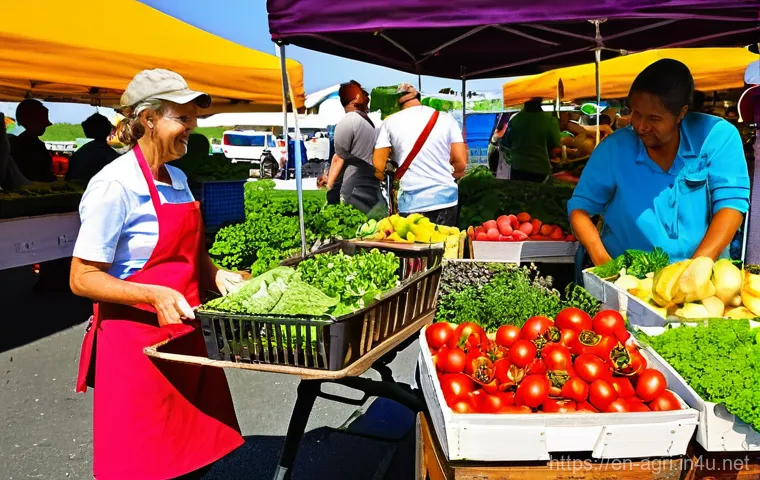
Farmers markets are vibrant social spaces, far more than just commercial venues. I love wandering through them on a Saturday morning, chatting with the farmers, sampling local honey, and picking out unusually shaped heirloom tomatoes. This direct interaction builds trust and allows consumers to ask questions about growing practices, pest control, and even recipe ideas. It fosters a sense of community that large supermarkets simply can’t replicate. CSAs, or Community Supported Agriculture, offer a deeper commitment. Members pay upfront for a share of the harvest, which helps farmers financially at the beginning of the season when expenses are high. In return, members receive a weekly box of fresh, seasonal produce. It’s a fantastic way to eat locally and seasonally, and I’ve found it encourages me to experiment with new vegetables I might otherwise overlook. Both models create strong bonds and a deeper appreciation for the agricultural process.
Online Marketplaces: Bridging the Digital Divide
The digital age has also transformed direct sales. Many farms now operate their own online stores, allowing customers to order produce for pickup or delivery. Beyond individual farm sites, dedicated online farmers’ marketplaces have emerged, aggregating produce from multiple local farms. These platforms essentially bring the farmers market experience to your doorstep, or at least to a convenient pickup point. I’ve personally used a few of these, especially during busy weeks, and found them incredibly convenient for accessing fresh, local goods without the travel time. This technology helps small and medium-sized farms reach a broader customer base, breaking down geographical barriers and making farm-fresh food accessible to a wider audience who might not have a physical farmers market nearby. It’s a modern twist on an age-old concept, harnessing technology to strengthen local food systems.
Tech Takes the Wheel: Innovations in Supply Chain Management
If you think agricultural distribution is all about dusty trucks and manual labor, think again! Technology is rapidly revolutionizing every aspect of how our food moves from farm to plate. We’re talking about sophisticated systems that can predict consumer demand, track produce in real-time, and even monitor its environmental conditions during transit. This isn’t just about cool gadgets; it’s about significantly reducing waste, improving efficiency, and ensuring food safety. I’ve been reading up on how AI algorithms are analyzing vast datasets – everything from weather patterns and historical sales to social media trends – to forecast exactly what consumers will want and when. Imagine the power of knowing precisely how many bell peppers a region will need next week! This level of foresight helps optimize planting schedules, harvest volumes, and logistics routes, saving incredible amounts of money and, more importantly, preventing perfectly good food from going to waste. The integration of IoT sensors and blockchain technology is creating a transparent, traceable supply chain that benefits everyone involved, from the farmer to you and me. It’s truly a game-changer for the industry.
AI, IoT, and Blockchain: Smartening Up Logistics
The agricultural supply chain is becoming incredibly ‘smart’ thanks to a trinity of technologies: Artificial Intelligence (AI), the Internet of Things (IoT), and blockchain. IoT sensors, embedded in fields, packing houses, and transport vehicles, collect real-time data on temperature, humidity, and other critical factors. This data is invaluable for monitoring the condition of produce, ensuring optimal storage, and alerting operators to potential issues before they become serious. AI then takes this raw data, combined with historical information, to predict everything from crop yields to optimal shipping routes. It can identify bottlenecks, suggest alternative paths, and even help manage inventory levels across vast networks. Blockchain, on the other hand, provides an immutable, transparent record of every step a product takes. From farm origin to final sale, every touchpoint is recorded, which is revolutionary for traceability and food safety. If there’s a recall, authorities can pinpoint the source almost instantly, minimizing risk and building consumer trust. I find this aspect particularly fascinating, knowing that the journey of my groceries is meticulously documented.
Predictive Power: Forecasting Our Food Needs
One of the most impactful applications of technology in distribution is predictive analytics. Gone are the days of relying solely on guesswork or past seasons. Modern systems use advanced algorithms to analyze a multitude of variables to forecast demand with incredible accuracy. This includes not only historical sales data but also external factors like weather forecasts, economic indicators, public holidays, and even trending recipes online. For instance, a sudden cold snap might increase demand for root vegetables and stews, while a heatwave could spike sales of salads and berries. By anticipating these shifts, distributors can optimize their inventory, adjust procurement from farms, and plan transportation routes more effectively. This leads to fewer instances of overstocking (reducing waste) and understocking (preventing shortages). For us as consumers, it means more consistent availability of fresh produce at potentially more stable prices. It’s like having a crystal ball for the grocery aisle, and it’s making our food system remarkably more resilient and responsive.
The Green Imperative: Sustainability in Food Logistics
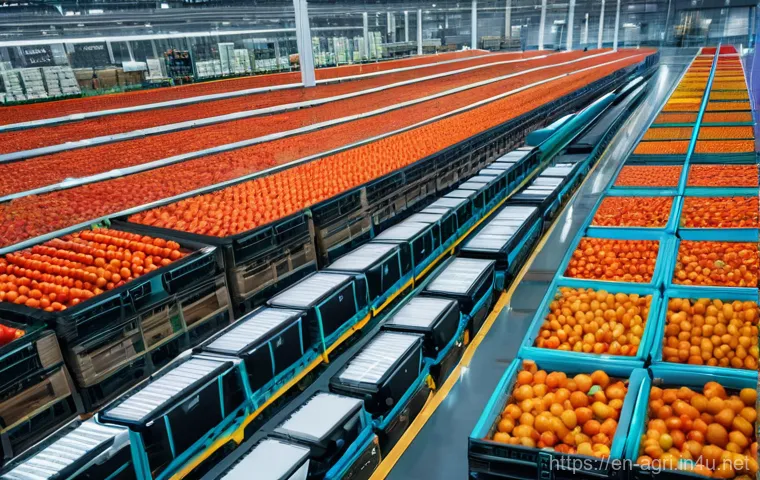
It’s no secret that the environmental impact of our food system is a huge concern for many of us, and I’m definitely one of them. Thankfully, sustainability isn’t just a buzzword in agricultural distribution; it’s becoming a core principle driving innovation. From reducing food waste to minimizing the carbon footprint of transportation, the industry is actively seeking greener solutions. I’ve noticed a significant shift in packaging, for example. While plastic still dominates, there’s a growing trend towards biodegradable materials, reusable crates, and minimalist designs that protect produce without excessive waste. Even the way food is transported is changing. Companies are optimizing truck routes to reduce fuel consumption, investing in electric or hybrid vehicles, and exploring intermodal shipping (combining rail, sea, and road) to lessen their environmental impact. It’s a complex challenge, but seeing these efforts in action gives me hope. We’re moving towards a future where our food journey is not only efficient but also environmentally responsible, ensuring that we can enjoy fresh produce for generations to come without depleting our planet’s resources. Every little change, from packaging to delivery, adds up to a much bigger impact.
Reducing Waste, Reclaiming Resources
Food waste is an enormous problem globally, and a significant portion occurs before food even reaches our homes, within the distribution chain itself. Sustainability efforts are heavily focused on tackling this. Technologies like advanced cold chain management and sophisticated inventory systems help minimize spoilage during transit and storage. Furthermore, programs are being developed to divert ‘imperfect’ produce – items that might not look picture-perfect but are perfectly edible – from landfills to food banks or processing facilities. I’ve seen initiatives where slightly bruised apples are turned into apple sauce or juice, rather than being discarded. This approach not only reduces waste but also reclaims valuable resources, often feeding those in need or creating new products. It’s about maximizing the value of every single crop and ensuring that less food ends up in the trash bin, which is a goal I think we can all get behind. It’s a systemic approach that requires collaboration across the entire supply chain, and it’s heartening to see the progress being made.
Eco-Friendly Transport: Cutting the Carbon Footprint
Transportation is a major contributor to the carbon footprint of our food. Recognizing this, distributors are actively seeking more eco-friendly logistics solutions. Route optimization software is becoming standard, ensuring trucks take the most efficient paths, reducing mileage and fuel consumption. Beyond that, there’s a significant push towards upgrading vehicle fleets. We’re seeing more electric and hybrid trucks, especially for urban deliveries, which not only reduce emissions but also cut down on noise pollution. For longer distances, intermodal transportation – combining freight trains, ships, and trucks – is gaining traction. Shipping large volumes by rail or sea is significantly more fuel-efficient per ton-mile than road transport alone. I even heard about trials for hydrogen-powered trucks and drone deliveries for specialized, smaller loads. These innovations, while still evolving, point towards a future where our food travels with a much lighter environmental impact. It’s an exciting time to see how logistics can go green without compromising on delivery efficiency.
Unpacking Your Plate: Global vs. Local Sourcing
Have you ever picked up a mango in the dead of winter and wondered how it got to your grocery store? That’s the magic of global sourcing, but it comes with its own set of considerations. On one hand, having access to produce from around the world allows us to enjoy a wider variety of foods year-round, regardless of local seasons. It’s fantastic for our culinary adventures, bringing exotic flavors to our tables. However, this global reach introduces significant complexities: longer transit times, higher transportation costs, and a larger carbon footprint. Then there’s the local movement, which I’ve grown to appreciate so much. Buying local means fresher produce, shorter supply chains, and often, a stronger connection to the community and the farmers. I’ve personally found that local produce, picked at its peak, simply tastes better and lasts longer. It also supports local economies, which is something I feel strongly about. The balance between global accessibility and local benefits is a constant discussion, and honestly, there’s no single right answer. It often comes down to personal priorities, what’s available, and the specific produce you’re looking for. Understanding this dynamic helps us make more informed choices about what we put on our plates.
The Allure and Risks of Global Delicacies
The ability to source food globally has transformed our diets, offering an incredible array of fruits and vegetables no matter the local season. Think about enjoying fresh berries in January or avocados all year round – these are the direct benefits of an interconnected global supply chain. This diversity enriches our culinary experiences and provides essential nutrients even when local harvests are scarce. However, global sourcing comes with inherent risks and challenges. Long distances mean longer transit times, which can compromise freshness and increase the need for preservation techniques. Geopolitical tensions, trade disputes, and even natural disasters in distant lands can disrupt supply, leading to price volatility or shortages. I’ve definitely felt the sting of a sudden price hike on an imported fruit due to some far-off event. Moreover, the environmental cost of transporting food across continents, primarily through air and sea freight, contributes significantly to carbon emissions. It’s a trade-off between variety and a host of logistical and environmental considerations.
Celebrating Local: Benefits Beyond Freshness
Conversely, the local food movement champions sourcing produce from nearby farms and regions. The most immediate benefit is freshness; food travels shorter distances, meaning it can often be picked at peak ripeness and reach consumers much quicker. I swear, a tomato picked from a local farm tastes entirely different from one that’s traveled across the country. But the advantages extend far beyond just taste. Local sourcing often supports smaller, independent farms, contributing directly to the local economy and preserving agricultural land. It also builds community, as seen in farmers’ markets and CSA programs, fostering a direct relationship between consumers and growers. From an environmental perspective, reduced transportation distances mean a smaller carbon footprint. While local options might mean seasonal limitations and sometimes higher prices due to lack of economies of scale, the benefits of freshness, community support, and environmental stewardship are compelling reasons why I try to prioritize local produce whenever possible.
Future Bites: What’s Next for Our Food’s Journey?
Looking ahead, the future of agricultural distribution promises even more exciting and potentially transformative changes. We’re on the cusp of innovations that could fundamentally alter how we grow, process, and transport our food. I’m particularly fascinated by the concept of urban agriculture – imagine fresh produce grown right in the heart of cities, dramatically shortening the “food miles” to mere blocks! Vertical farms, for instance, are leveraging controlled environments and stacked growing layers to produce crops year-round in urban settings, using significantly less water and land than traditional farming. This isn’t science fiction; it’s happening now, and it has the potential to make fresh, local food accessible to everyone, regardless of where they live. Furthermore, advancements in personalized nutrition and hyper-efficient, on-demand delivery models suggest a future where our food supply chain is not only more robust but also incredibly responsive to individual needs and preferences. It’s a thrilling prospect, and I can’t wait to see how these emerging trends reshape our relationship with food and ensure a more sustainable, equitable, and delicious future for all of us.
Vertical Farms and Urban Ag: Bringing Food Closer
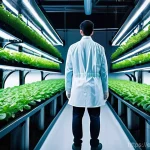
One of the most exciting developments I’m tracking is the rapid growth of urban agriculture, especially vertical farming. Instead of sprawling fields, these farms utilize stacked layers of plants grown indoors, often in repurposed warehouses or even skyscrapers within city limits. By controlling factors like light, temperature, and nutrients precisely, they can produce crops year-round, completely independent of climate and season. This dramatically reduces transportation distances, sometimes to just a few miles, meaning ultra-fresh produce for urban dwellers. It also uses significantly less water and land than traditional farming. I visited a small-scale vertical farm installation recently, and it was mind-blowing to see rows of leafy greens thriving under LED lights. It felt like stepping into the future of food production. This innovation promises to bring fresh, nutritious food closer to dense populations, reducing food deserts and making healthy eating more accessible for everyone. It’s a literal re-shaping of the farm-to-table journey.
Personalized Nutrition and Supply Chain Adaptability
The future isn’t just about getting food to us; it’s about getting the *right* food to us. With the rise of personalized nutrition, fueled by advancements in genomics and wearable tech, our food needs are becoming incredibly individualized. This will undoubtedly impact the supply chain, requiring it to be far more adaptable and responsive. Imagine a scenario where your dietary needs are automatically communicated to your grocery service, and they source ingredients perfectly tailored for you. This could mean more direct-to-consumer models for specialty items, hyper-efficient micro-fulfillment centers, and even on-demand production of specific nutrients. The focus will shift from mass production of generic items to more bespoke, flexible systems. The goal is a highly resilient and responsive supply chain that can quickly adapt to changing environmental conditions, consumer preferences, and individual health needs. It’s a dynamic vision, and I believe it will lead to a more effective and personalized food system that truly caters to our well-being.
| Distribution Channel | Pros | Cons | Typical Products |
|---|---|---|---|
| Traditional Wholesale | Wide reach, economies of scale, convenient for large retailers, consistent supply. | Longer supply chain, potential for less freshness, less transparency for consumers. | Bulk grains, conventional fruits & vegetables, processed foods. |
| Direct-to-Consumer (e.g., Farmers Markets, CSAs) | High freshness, supports local farms, builds community, consumer transparency. | Limited volume/selection, seasonal availability, less convenient for some. | Seasonal fruits & vegetables, artisanal products, pasture-raised meats. |
| Online Marketplaces (Aggregators) | Convenience, access to multiple local farms, often curated selection. | Delivery fees, potential for minimum orders, requires digital access. | Specialty produce, local organic goods, prepared meals. |
| Integrated Supply Chains (e.g., Large Agri-businesses) | Highly efficient, consistent quality control, massive scale for national distribution. | Less variety of independent growers, potential for monoculture, limited local impact. | Staple crops, widely distributed packaged goods, consistent branded produce. |
Wrapping Things Up
After peeling back all those layers, it’s clear our food’s journey is a truly incredible saga, isn’t it? From the dedicated hands working tirelessly in the fields to the sophisticated global networks powered by cutting-edge technology, every single step plays a truly vital role in bringing the sustenance and deliciousness we enjoy to our tables. Understanding these intricate processes not only deepens our appreciation for every single bite but also empowers us to make far more informed and conscious choices as consumers, impacting both our health and the planet. I genuinely hope this deep dive has shed some illuminating light on the often-hidden world behind our daily meals and perhaps sparked a new curiosity within you about where our food truly comes from and the amazing people who make it all happen!
Useful Information You Should Know
1. Check Your Labels: Always take a moment to look at the “country of origin” on your produce. It’s not just about curiosity; it helps you understand the distance your food has traveled and gives you a hint about its journey. Locally sourced items often have less packaging and a shorter shelf-to-plate time, which means better flavor and nutrients, and I’ve personally found them to taste significantly fresher. It’s a small habit that makes a big difference in appreciating your food’s story.
2. Embrace Seasonal Eating: While global sourcing offers year-round variety, eating what’s in season locally often means fresher, tastier, and more affordable produce. I’ve found that planning meals around seasonal availability not only makes grocery shopping more exciting and budget-friendly but also encourages me to experiment with new recipes, like making a vibrant gazpacho with summer tomatoes or a hearty root vegetable stew in the colder months. It’s a delicious way to connect with the rhythm of nature.
3. Support Local: Whether it’s through farmers’ markets, Community Supported Agriculture (CSA) programs, or local farm online stores, actively seeking out and purchasing from local producers makes a tangible difference. It strengthens your local economy, reduces your food’s carbon footprint by minimizing transportation, and often connects you directly with the passionate people who grow your food – a connection I truly cherish and believe fosters a stronger community bond. Your dollars have power!
4. Minimize Food Waste at Home: A significant amount of food is sadly wasted after it leaves the store, right in our own kitchens. Simple habits like proper storage (e.g., keeping apples and potatoes separate to prevent premature ripening), mindful meal planning, and creatively using leftovers can drastically reduce your household waste. Don’t forget to consider composting food scraps too; it’s a small, easy step that makes a surprisingly big positive impact on the environment and your conscience.
5. Understand Price Fluctuations: Ever wonder why your favorite fruit suddenly jumps in price, or why a certain vegetable is incredibly cheap one week and pricey the next? It’s often a direct reflection of complex global supply chain dynamics, unpredictable weather events impacting harvests, rising transportation costs, or even geopolitical shifts that affect trade routes. Being aware of these multifaceted factors helps you understand the true cost of food and appreciate the incredible resilience required to get it to you, perfectly ripe and ready.
Key Takeaways
To sum it all up, our agricultural distribution system is a marvel of modern logistics, constantly evolving with incredible technology and a growing, urgent focus on sustainability. We’ve journeyed from the meticulous first steps on the farm, through complex, often invisible networks of distributors, to the exciting rise of direct-to-consumer models that bring us closer to our food. The fascinating interplay between global reach and the burgeoning local movement offers us a rich tapestry of choices. Ultimately, every decision, from a farmer’s planting schedule to your thoughtful choice at the grocery store, profoundly shapes this incredible, vital chain that diligently feeds us all, day in and day out.
Frequently Asked Questions (FAQ) 📖
Q: How has technology truly changed the game for getting fresh produce to our tables?
A: You know, it’s incredible to think about, but I’ve seen firsthand how much tech has absolutely revolutionized agricultural distribution. It’s not just about bigger tractors or faster trucks anymore.
We’re talking about things like precision agriculture using drones and AI to monitor crops, which means less waste and better yields. Farmers can pinpoint exactly where water or nutrients are needed, leading to healthier plants.
Then there’s the incredible leap in logistics – imagine AI-powered forecasting that predicts demand, so supermarkets order just enough, drastically reducing spoilage.
For me, the most exciting part has been how cold chain technology has advanced. Remember when fresh berries felt like a seasonal luxury? Now, with better refrigeration and tracking from the moment they’re picked, we can enjoy them almost year-round.
It means your favorite avocado from Mexico or grapes from Chile arrive fresher, and honestly, they stay fresh longer in my own fridge. It really impacts my weekly shopping, giving me so much more variety and less guilt about food waste.
Q: Why do grocery prices seem to fluctuate so much, and how does distribution play a role?
A: Oh, this is a question I hear all the time, and honestly, it’s one I ponder myself when I’m at the checkout! You know, sometimes it feels like the price of my favorite organic salad greens can change from one week to the next, right?
A huge piece of that puzzle is the distribution structure. Think about it: severe weather events like a sudden drought in California or an unexpected freeze in Florida can devastate entire crops, immediately impacting supply and driving prices up.
Then, there are the logistical headaches – fuel prices soaring, labor shortages for truck drivers, or even unforeseen global events that snarl shipping lanes.
I remember vividly when I was looking for specific spices during the pandemic, and they were either impossible to find or double the price, all because of distribution bottlenecks.
Each step, from harvesting to packaging to transportation across state lines, adds a cost. When any of these steps get more expensive or more complicated, we, the consumers, unfortunately feel it in our wallets.
It’s truly a delicate balance, and any disruption in that intricate chain ripples all the way to our grocery carts.
Q: What are some exciting new ways food is getting from farms to us, beyond the typical supermarket?
A: This is where things get really interesting, and honestly, quite hopeful for the future of food! While I still love my trips to the big grocery store, I’ve noticed a fantastic shift towards more direct and innovative distribution methods.
One big one is the rise of direct-to-consumer (D2C) sales. I’ve personally subscribed to a few farm-share boxes, and it’s such a joy to get a box of fresh, seasonal produce delivered right to my door, knowing exactly which farm it came from.
It’s a win-win: farmers get a better cut, and I get incredibly fresh, often organic, food that lasts. We’re also seeing a surge in local farmers’ markets and community-supported agriculture (CSAs), which strengthen local economies and significantly reduce the “food miles” our produce travels.
And let’s not forget about meal kit services – they’ve essentially created a streamlined mini-supply chain to bring pre-portioned ingredients for specific recipes directly to us.
For me, it’s about having more choices and feeling more connected to where my food comes from, which is a truly wonderful development in our modern food landscape.